RTG vs RMG Crane: The Ultimate Guide to Choosing the Right Container Gantry Crane
Introduction: RTG vs RMG Crane – Which One Fits Your Yard?
RTG vs RMG crane selection is one of the most critical decisions for any port, terminal, or intermodal facility. Rubber-tired gantry cranes (RTGs) and rail-mounted gantry cranes (RMGs) are the two dominant types of container handling equipment used worldwide. While both serve the core function of stacking and moving containers, the differences in mobility, cost, automation capability, and operational efficiency are substantial. This RTG vs RMG crane guide will help you make an informed decision that aligns with your yard’s specific requirements and long-term strategy.
What Are RTG and RMG Cranes?
Before diving into the RTG vs RMG crane comparison, it’s essential to understand what each type is and how it operates.
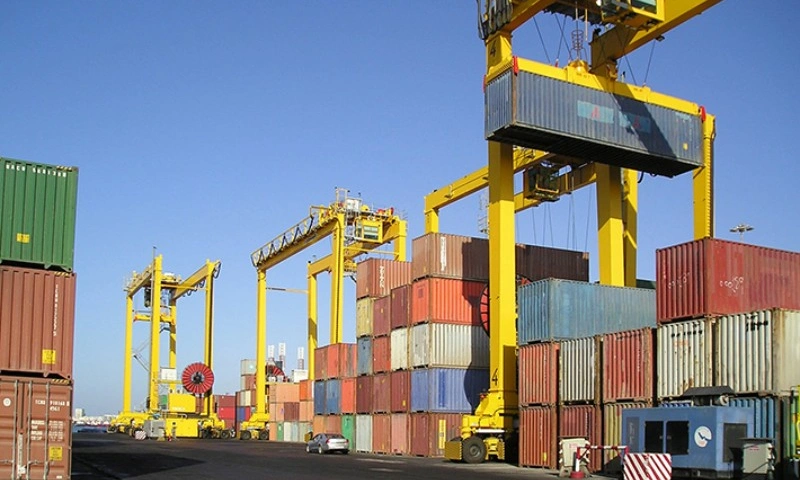
RTG (Rubber-Tired Gantry Crane) is a mobile crane equipped with rubber tires, allowing it to move freely across paved yard surfaces without fixed tracks. An RTG typically spans 5-8 container rows and can stack containers 4-5 layers high .
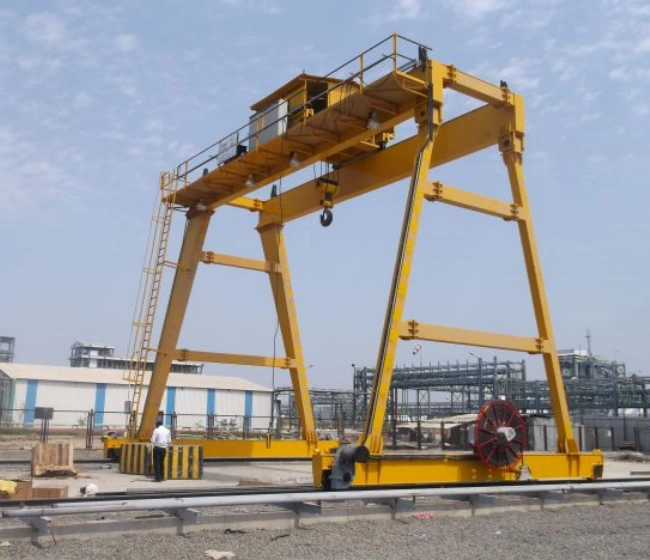
RMG (Rail-Mounted Gantry Crane) runs on fixed steel rails embedded in the ground. With a rigid structural design, an RMG offers exceptional stability and can achieve higher stacking heights—typically 5-6 layers or more .
Mobility: The Biggest Difference in the RTG vs RMG Crane Debate
The most striking difference in any RTG vs RMG crane analysis is mobility. RTGs can move freely between yard blocks and even transfer between different areas by rotating tires 90 degrees . This flexibility is invaluable for yards with changing layouts or multi-purpose operations. RMGs, by contrast, are confined to their rail paths. While this limits operational scope, it provides deterministic movement that is easier to automate .
Performance Comparison: RTG vs RMG Crane Capabilities
When comparing RTG vs RMG crane performance, RMGs consistently outperform RTGs across key metrics:
| Feature | RMG Crane | RTG Crane |
|---|---|---|
| Lifting Speed (full load) | 13-20 m/min | 10-18 m/min |
| Positioning Accuracy | ±5mm | ±50mm |
| Service Life | 25 years | 15 years |
| Annual Maintenance Cost | ~0.1% of equipment value | ~0.7% of equipment value |
| Automation Readiness | Native support | Requires upgrades |
Cost Analysis: RTG vs RMG Crane Economics
A thorough RTG vs RMG crane comparison must address costs. RMGs require higher initial investment due to rail infrastructure and advanced control systems . However, the long-term operating costs tell a different story. RMGs are fully electric, offering lower energy consumption and minimal maintenance. RTGs, especially diesel-powered models, incur ongoing fuel costs, tire replacements (typically every 2-3 years), and higher engine maintenance .
Automation: Where RMG Excels in the RTG vs RMG Crane Comparison
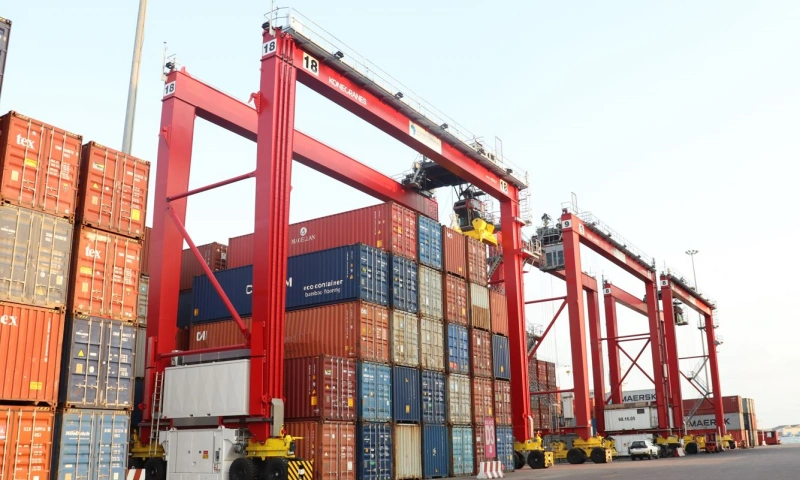
For terminals planning automated operations, the RTG vs RMG crane decision becomes clearer. RMGs are inherently automation-friendly—their fixed paths enable precise positioning and seamless integration with Terminal Operating Systems (TOS) . Automated RMGs (ARMG) can operate fully unmanned. RTGs can be retrofitted with automation features, but the complexity and cost are significantly higher .
Application Scenarios: RTG vs RMG Crane for Your Terminal
When choosing between RTG vs RMG crane types, consider your operational profile:
Choose RMG if:
You operate a large, dedicated container terminal with stable throughput
High-density stacking (5-6 layers) is required
Long-term automation is on the roadmap
You can support the higher initial investment for lower long-term operating costs
Choose RTG if:
Your yard layout changes frequently
You need to transfer equipment between different work zones
Budget constraints favor lower upfront costs
You operate a multi-purpose terminal handling varied cargo types
Conclusion: Making the Right RTG vs RMG Crane Decision
The RTG vs RMG crane choice ultimately depends on your yard’s specific needs. RMGs offer superior efficiency, precision, and automation readiness, making them the preferred choice for large-scale container terminals and rail yards. RTGs provide unmatched flexibility and lower initial investment, ideal for smaller or multi-purpose operations. By understanding the technical differences, cost implications, and application scenarios in this RTG vs RMG crane guide, you can select the equipment that maximizes productivity while optimizing total cost of ownership. For personalized RTG vs RMG crane selection advice, consult with professional crane manufacturers who can assess your specific operational conditions.