Electromagnetic Scrap Handling Crane – Complete Guide to Efficient Steel Recycling
In the world of heavy industry and metal recycling, the electromagnetic scrap handling crane plays a pivotal role. Whether you run a scrap yard, a steel mill, or a demolition site, understanding how this powerful lifting equipment works – and how to choose the right one – can dramatically improve your operational efficiency and safety.
This article covers everything you need to know about the magnet crane for scrap handling, from its core technology to practical selection tips.
What Is a Magnet Crane for Scrap Handling?
A magnet crane for scrap handling is an overhead or mobile crane equipped with an electromagnetic lifting attachment. Unlike standard hooks or grabs, the electromagnet generates a strong magnetic field that attracts and holds ferrous materials – such as steel beams, car bodies, rebar, and shredded scrap – allowing them to be lifted, transported, and stacked with precision.
The system typically consists of a crane structure (bridge, gantry, or jib), a rotating or fixed electromagnet, a power supply (often a generator or cable reel), and a control system. When the magnet is energised, it picks up the scrap; when de‑energised, it releases the load.
Why Use an Electromagnetic Scrap Handling Crane?
Recycling yards process thousands of tonnes of ferrous scrap every day. A magnet crane for scrap handling offers several distinct advantages:
High Efficiency – One operator can move heavy, irregular scrap loads in seconds, far faster than mechanical grabs.
Safety – No manual hooking or slinging is required, reducing the risk of accidents.
Versatility – The magnet can handle various sizes and shapes, from loose turnings to large structural sections.
Cost‑Effectiveness – Lower labour costs and minimal maintenance make it a long‑term investment.
Key Components of a Magnet Crane for Scrap Handling
To get the best performance from your magnet crane for scrap handling, you need to understand its main components:
Electromagnet – The core lifting tool. Its strength (measured in ampere‑turns) determines the lifting capacity, which can range from a few hundred kilograms to over 20 tonnes.
Power Supply – Usually a diesel generator or a dedicated rectifier unit, providing the DC power needed to energise the magnet.
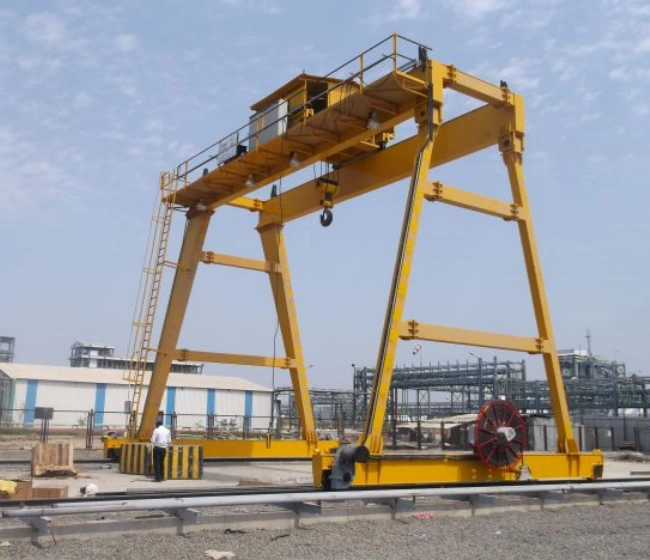
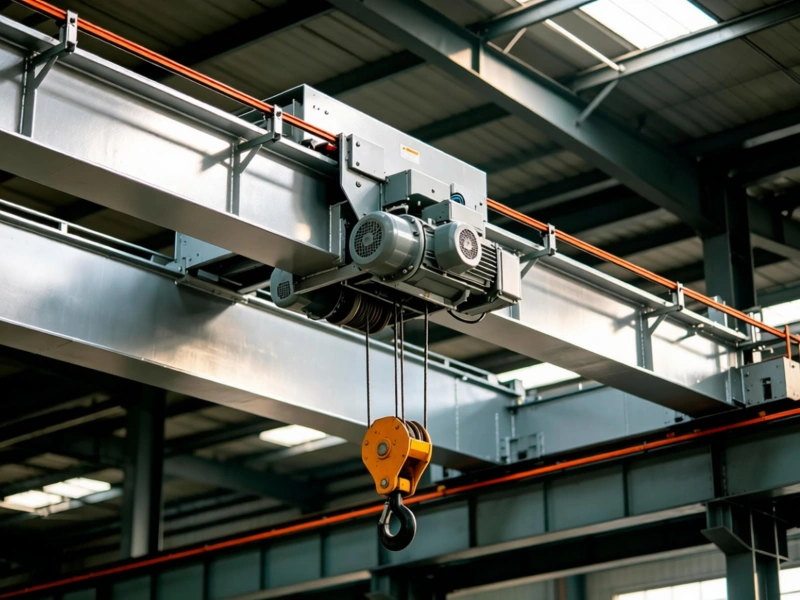
Crane Structure – Can be an overhead bridge crane, a gantry crane, or a mobile crane (e.g., material handler). The choice depends on your yard layout and mobility needs.
-
Control System – Modern systems include variable‑frequency drives, remote controls, and overload protection for smooth operation.
How to Choose the Right Magnet Crane for Your Scrap Yard
Selecting the ideal magnet crane for scrap handling requires careful assessment of your site conditions and material types. Here are the critical factors:
1. Material Type
Ferrous scrap only – magnet cranes do not work on non‑ferrous metals like aluminium or copper. Consider the density and shape of your scrap, as heavier, denser loads may require deeper‑penetration magnets.
2. Lifting Capacity
Calculate the maximum weight per lift. Over‑specifying increases costs; under‑specifying reduces productivity. A 10‑tonne magnet might be perfect for large demolition scrap, while a 5‑tonne unit suits lighter mixed scrap.
3. Working Environment
Indoor vs. Outdoor – Outdoor yards need weather‑resistant components and robust cooling systems.
Temperature – High‑temperature scrap (e.g., from furnaces) may require a special high‑temperature magnet with additional insulation.
4. Duty Cycle
Continuous operation (e.g., 24/7) demands a heavy‑duty magnet with efficient heat dissipation. Intermittent use allows lighter designs.
5. Power Supply
If you already have a generator, match its capacity. Otherwise, consider an integrated power pack to save space.
Best Practices for Operating a Magnet Crane for Scrap Handling
To maximise the lifespan and safety of your magnet crane for scrap handling, follow these guidelines:
Regular Inspections – Check cables, magnet coil insulation, and cooling fans weekly.
Proper Demagnetisation – Ensure the load is fully released before moving the magnet away.
Avoid Shock Loading – Never drop the magnet onto hard surfaces; it damages the coil.
Monitor Temperature – Overheating reduces magnetic strength – consider adding a thermal protection device.
Train Operators – Skilled operators can reduce cycle times by up to 20%.
Conclusion
The magnet crane for scrap handling is an indispensable tool for modern metal recycling. By choosing the right configuration – from magnet strength to power source – and adopting proper maintenance practices, you can slash handling costs and boost throughput.
Whether you are upgrading an existing facility or building a new scrap yard, investing in a high‑quality magnet crane for scrap handling is a decision that pays for itself quickly. If you need further assistance in selecting the perfect model for your operation, feel free to leave your requirements – our technical team is ready to provide a custom solution.