


OVERHEAD CRANE
-
Single Girder Overhead Crane
- LXB Type Explosion-proof Electric Single Girder Suspension Crane
- LX Electric Single-girder Suspension Crane
- LDZ Electric Single Girder Crane
- LDY Metallurgical Single Girder Crane
- LDP Type Electric Single Girder Overhead Crane
- LD Electric Single-girder Crane
- LB Type Explosion-proof Electric Single Girder Crane
- Flexible Suspension Single-girder Bridge Crane
- Single-Girder Bridge Grab Crane
- Single Girder Hoist Overhead Crane
- SL Manual Single-girder Bridge Crane
-
Double Girder Overhead Crane
- QZ Grab Crane
- QD Double Girder Overhead Crane
- QC Electromagnetic Crane
- QB Type Explosion-proof Hook Bridge Crane
- LHB Type Explosion-proof Hoist Double Girder Crane
- Double-girder Bridge Casting Crane
- Four Girder Casting Crane
- Magnet Double Girder Overehad Crane
- Explosion-proof Double-girder Bridge Crane
- Double Girder Overhead Crane
- European Standard Crane
HOT PRODUCTS
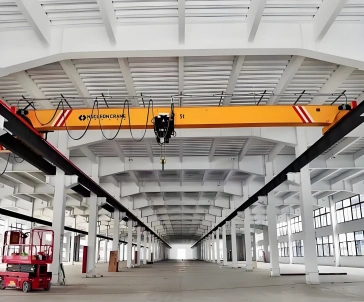
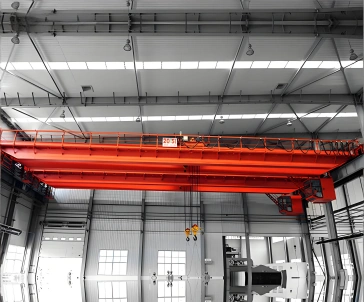
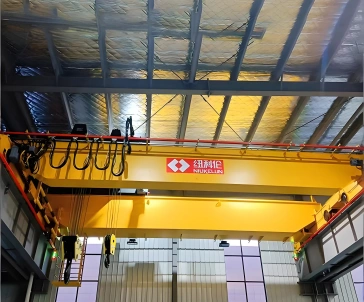
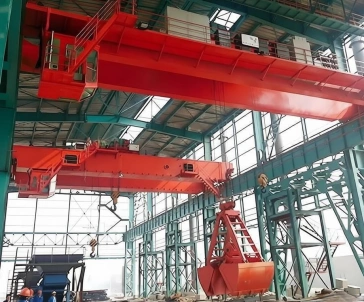
Double-girder bridge casting crane
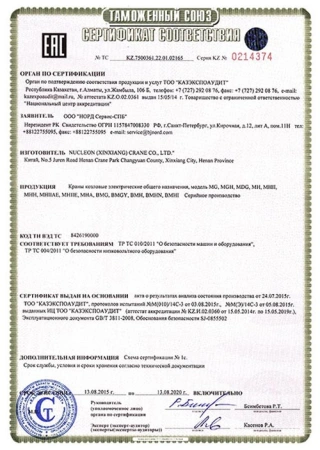
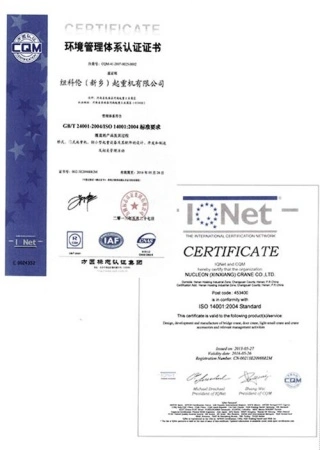
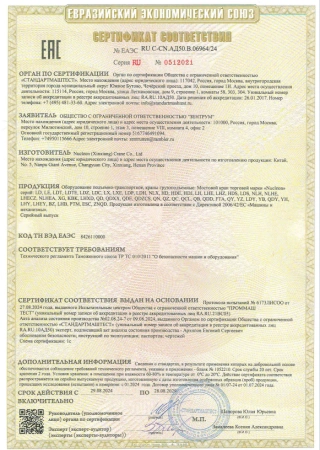
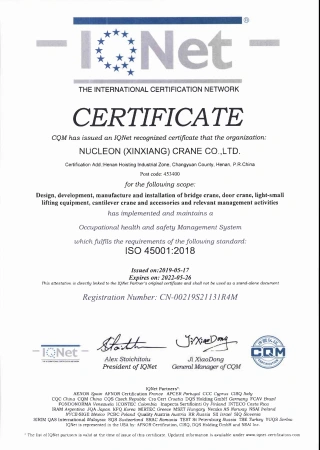
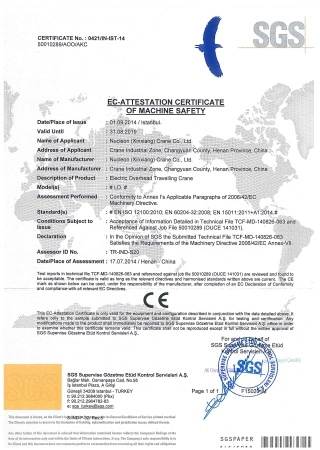
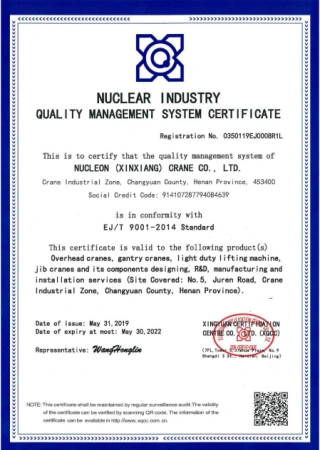
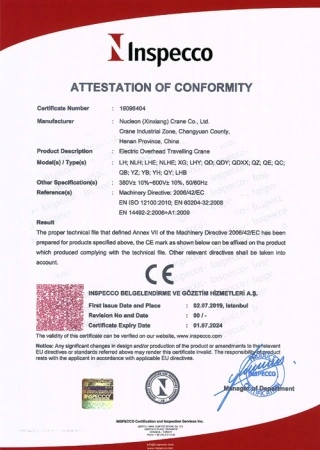
Authentication mark:


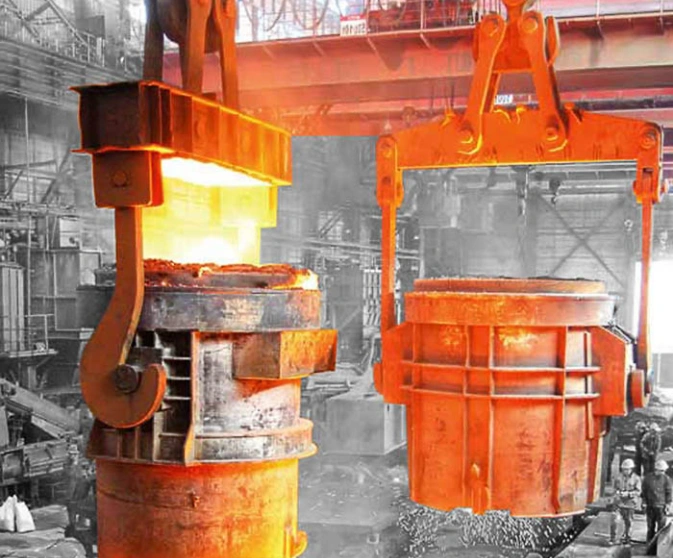
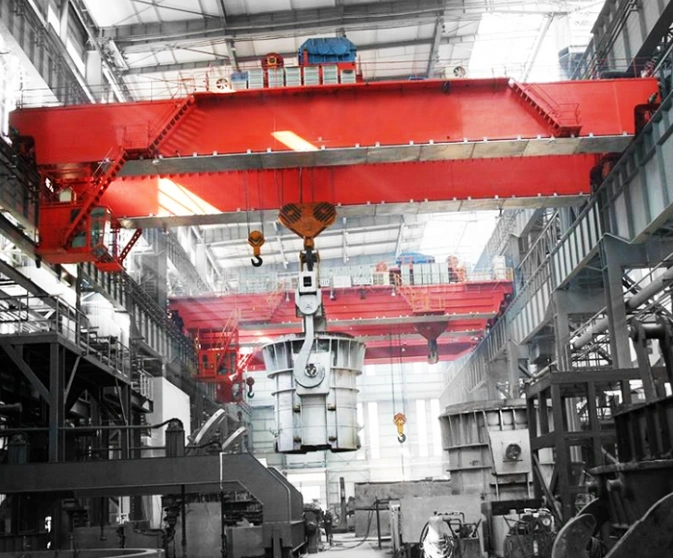
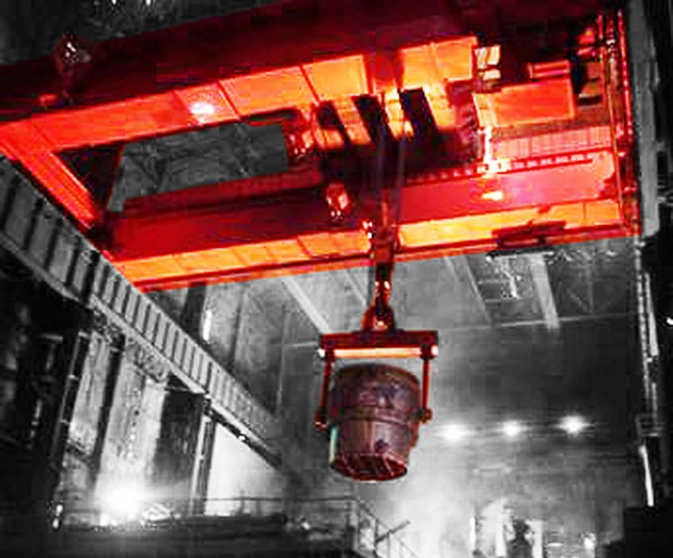
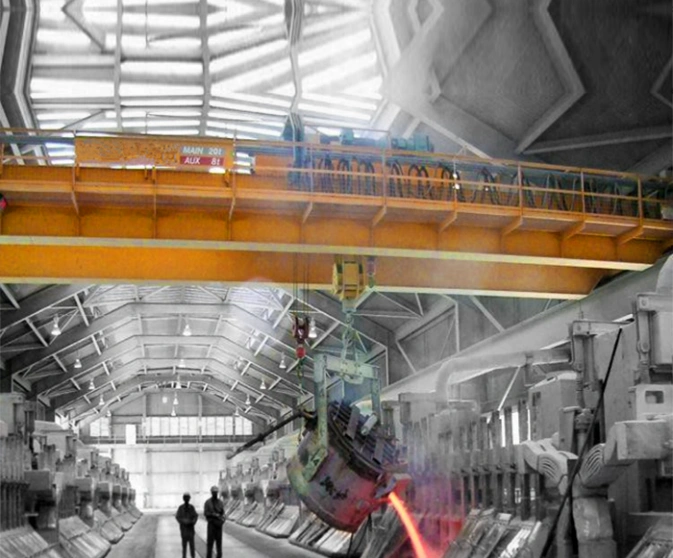
This crane is mainly used in steelmaking plants, heavy foundries, and non‑ferrous metal smelters.
Capacity:
5 t – 550 t customizable
Lifting Height:
6 m – 30 m (customizable based on workshop height)
Span:
10.5 m – 31.5 m (customizable)
Voltage/Hertz:
220v~415v 50hz~60hz 3ph
Working Class:
A7, A8 (Heavy-duty / Very heavy-duty for molten metal)
Get A Free Quote

WhatsApp
Introduction
Application Scenario
Advantages
Structural Diagram And Parameter Table
INTRODUCTION
What is this?
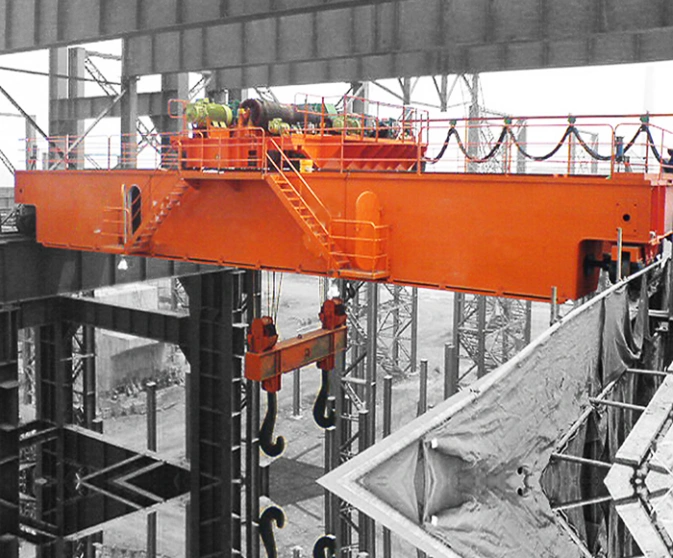
The double-girder bridge casting crane is a specialized lifting device designed for high-temperature molten metal handling in steelmaking and foundry workshops. It features a double main beam structure with main and auxiliary hooks, combined with trolley and crane traveling, to achieve safe, stable, and precise lifting and pouring of molten steel ladles and iron ladles. If you are managing a steel plant, foundry, or metallurgical workshop and need a crane that can withstand high-temperature radiation, frequent full-load operation, and provide maximum safety, this product is designed for you.
Why choose a casting crane over a standard overhead crane?
Compared to standard overhead cranes, the casting crane offers five core advantages:
First, safety redundancy design – dual brakes and an overspeed switch on the hoisting mechanism ensure the ladle will not fall even if one brake fails.
Second, high-temperature protection – heat insulation layer on the bottom of the main beam, H-class motor insulation, suitable for 60°C high-temperature environments.
Third, dual hook configuration – main hook for ladle lifting, auxiliary hook for tilting and slag handling, higher operational efficiency.
Fourth, higher working class – A7/A8 very heavy-duty design for continuous full-load operation around the clock.
Fifth, standard load cell – real-time molten steel weighing, dual display in cabin and on bridge for precise pouring control.
Protect the safety and efficiency of high-temperature molten metal handling with professional design.
What can we do for you?
We understand that every customer has different ladle capacities, different workshop spans, and different process layouts. Therefore, we offer flexible customization options: lifting capacity from 5 tons to 550 tons; span from 10.5 meters to 31.5 meters; main/auxiliary hook ratios such as 75/20t, 180/50t, etc.; control options of cabin or remote radio; VVVF speed control for smooth start/stop. Whether your workshop is narrow and compact or wide and spacious, we can match the most suitable span and lifting height.
Unsure? Don't know?
Not sure what main/auxiliary hook capacity ratio to choose? Don't know what lifting speed is needed for ladle handling? No problem. Just tell us: your ladle capacity or molten steel weight, your workshop span, and your handling frequency (how many heats per day). Our engineers will provide you with an accurate quote and CAD drawings within 24 hours. Click the button below or contact us via WhatsApp/email to get your customized solution.
Tip: We offer free selection consulting. Even if you are unsure about specific parameters, feel free to describe your melting process and workshop dimensions, and we will calculate for you.
The double-girder bridge casting crane is a specialized lifting device designed for high-temperature molten metal handling in steelmaking and foundry workshops. It features a double main beam structure with main and auxiliary hooks, combined with trolley and crane traveling, to achieve safe, stable, and precise lifting and pouring of molten steel ladles and iron ladles. If you are managing a steel plant, foundry, or metallurgical workshop and need a crane that can withstand high-temperature radiation, frequent full-load operation, and provide maximum safety, this product is designed for you.
Why choose a casting crane over a standard overhead crane?
Compared to standard overhead cranes, the casting crane offers five core advantages:
First, safety redundancy design – dual brakes and an overspeed switch on the hoisting mechanism ensure the ladle will not fall even if one brake fails.
Second, high-temperature protection – heat insulation layer on the bottom of the main beam, H-class motor insulation, suitable for 60°C high-temperature environments.
Third, dual hook configuration – main hook for ladle lifting, auxiliary hook for tilting and slag handling, higher operational efficiency.
Fourth, higher working class – A7/A8 very heavy-duty design for continuous full-load operation around the clock.
Fifth, standard load cell – real-time molten steel weighing, dual display in cabin and on bridge for precise pouring control.
Protect the safety and efficiency of high-temperature molten metal handling with professional design.
What can we do for you?
We understand that every customer has different ladle capacities, different workshop spans, and different process layouts. Therefore, we offer flexible customization options: lifting capacity from 5 tons to 550 tons; span from 10.5 meters to 31.5 meters; main/auxiliary hook ratios such as 75/20t, 180/50t, etc.; control options of cabin or remote radio; VVVF speed control for smooth start/stop. Whether your workshop is narrow and compact or wide and spacious, we can match the most suitable span and lifting height.
Unsure? Don't know?
Not sure what main/auxiliary hook capacity ratio to choose? Don't know what lifting speed is needed for ladle handling? No problem. Just tell us: your ladle capacity or molten steel weight, your workshop span, and your handling frequency (how many heats per day). Our engineers will provide you with an accurate quote and CAD drawings within 24 hours. Click the button below or contact us via WhatsApp/email to get your customized solution.
Tip: We offer free selection consulting. Even if you are unsure about specific parameters, feel free to describe your melting process and workshop dimensions, and we will calculate for you.
APPLICATION SCENARIO
[1] Steelmaking Plants – Transporting and tilting molten steel ladles from converters to continuous casting machines.
[2] Foundries – Pouring molten iron or steel into molds for large castings such as machine frames, rolls, and ingots.
[3] Non‑ferrous Smelters – Handling ladles of molten aluminum, copper, or zinc with heat protection.
[4] Ladle Pretreatment Stations – Hoisting ladles for desulfurization, alloying, and slag removal.
[2] Foundries – Pouring molten iron or steel into molds for large castings such as machine frames, rolls, and ingots.
[3] Non‑ferrous Smelters – Handling ladles of molten aluminum, copper, or zinc with heat protection.
[4] Ladle Pretreatment Stations – Hoisting ladles for desulfurization, alloying, and slag removal.
ADVANTAGES
[1] High Thermal Protection – Heat shields, insulated platforms, and special coatings protect components from radiant heat.
[2] Large Load Capacity – Double‑girder structure supports loads up to 450 tons or more.
[3] Fail‑Safe Braking – Dual brakes and emergency holding systems ensure safety when handling molten metal.
[4] Smooth Tilting & Positioning – Precision ladle tilting mechanism allows controlled pouring with minimal splash.
[5] High Duty Cycle – Designed for A7‑A8 duty class, 24/7 continuous operation in harsh environments.
[2] Large Load Capacity – Double‑girder structure supports loads up to 450 tons or more.
[3] Fail‑Safe Braking – Dual brakes and emergency holding systems ensure safety when handling molten metal.
[4] Smooth Tilting & Positioning – Precision ladle tilting mechanism allows controlled pouring with minimal splash.
[5] High Duty Cycle – Designed for A7‑A8 duty class, 24/7 continuous operation in harsh environments.
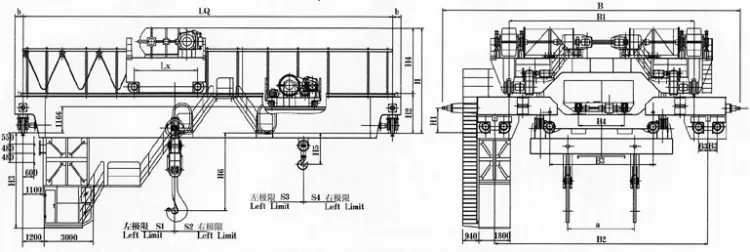
STRUCTURAL DIAGRAM AND PARAMETER TABLE
| Parameter | Specification |
|---|---|
| Working Class | A7, A8 (Heavy-duty / Very heavy-duty for molten metal) |
| Capacity | 5 t – 550 t (Main hook + auxiliary hook, e.g., 75/20 t) |
| Span | 10.5 m – 31.5 m (customizable) |
| Lifting Height | 6 m – 30 m (customizable based on workshop height) |
| Lifting Speed | Main hook: 6.4 – 12.9 m/min Auxiliary hook: 7.5 – 12 m/min (VVVF stepless speed control optional) |
| Trolley Travelling Speed | 35 – 45 m/min (VVVF optional) |
| Crane Travelling Speed | 65 – 90 m/min (VVVF optional) |
| Control Method | Cabin control / Remote radio control / Pendent control |
| Power Supply | 380V / 50Hz / 3-phase (customizable to other standards) |
| Temperature | 20°C to +60°C (high-temperature resistant design for molten metal environment) |
| Protection Grade | Motor: IP54, Insulation class F or H |
| Girder Type | Double-girder (Double-beam / double-rail structure) |


 Free Technical Consultation



