


OVERHEAD CRANE
-
Single Girder Overhead Crane
- LXB Type Explosion-proof Electric Single Girder Suspension Crane
- LX Electric Single-girder Suspension Crane
- LDZ Electric Single Girder Crane
- LDY Metallurgical Single Girder Crane
- LDP Type Electric Single Girder Overhead Crane
- LD Electric Single-girder Crane
- LB Type Explosion-proof Electric Single Girder Crane
- Flexible Suspension Single-girder Bridge Crane
- Single-Girder Bridge Grab Crane
- Single Girder Hoist Overhead Crane
- SL Manual Single-girder Bridge Crane
-
Double Girder Overhead Crane
- QZ Grab Overhead Crane
- QD Double Girder Overhead Crane
- QC Electromagnetic Crane
- QB Type Explosion-proof Hook Bridge Crane
- LHB Type Explosion-proof Hoist Double Girder Crane
- Double-girder Bridge Casting Crane
- Four Girder Casting Crane
- Magnet Double Girder Overehad Crane
- Explosion-proof Double-girder Bridge Crane
- Double Girder Overhead Crane
- European Standard Crane
HOT PRODUCTS
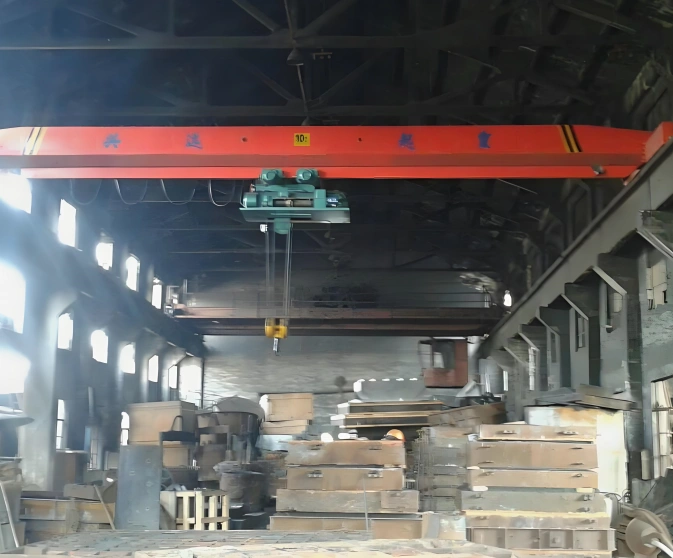
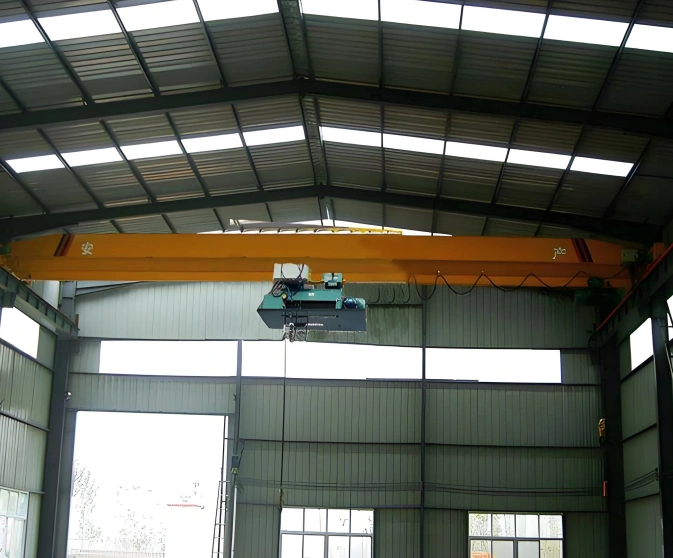
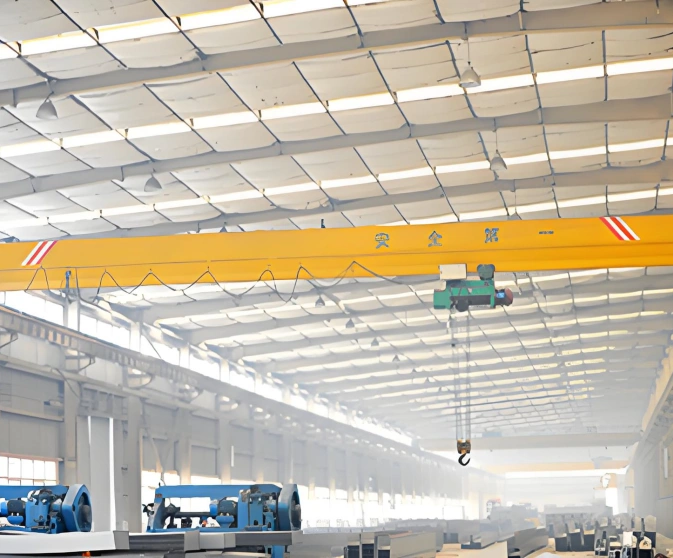
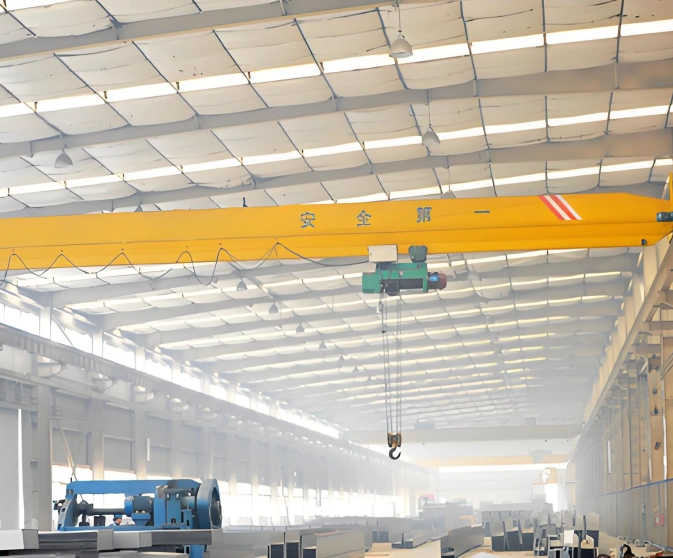
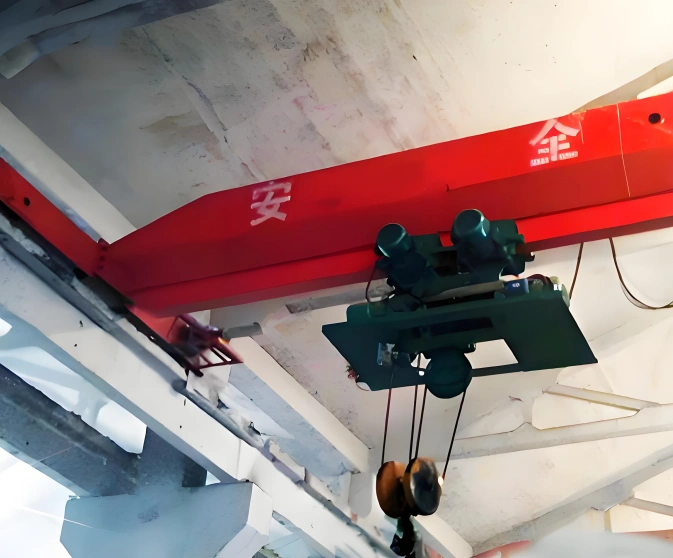
LDY Metallurgical Single Girder Crane
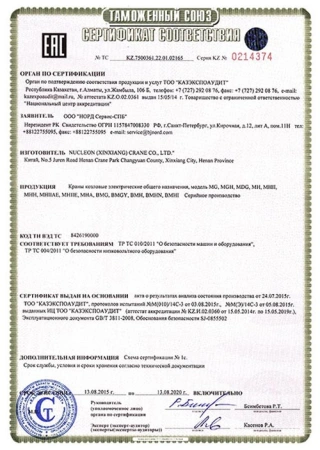
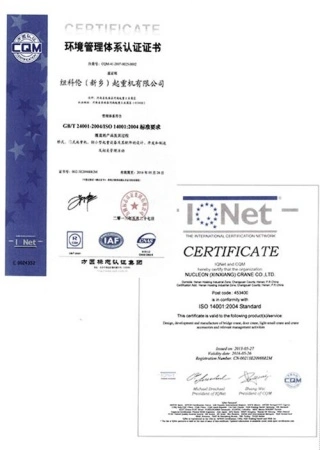
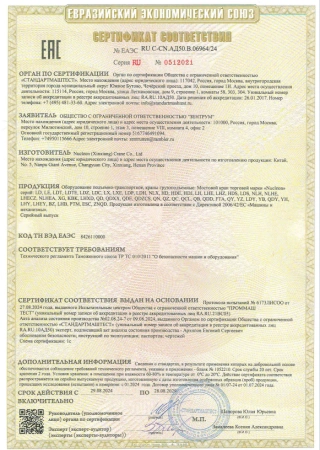
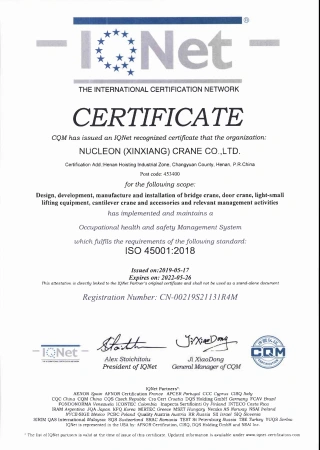
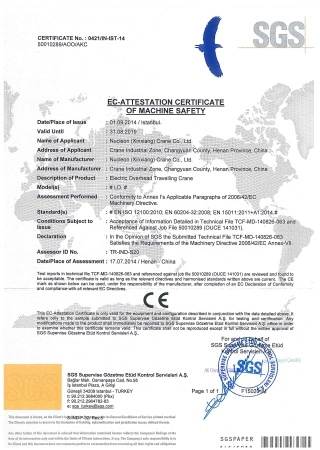
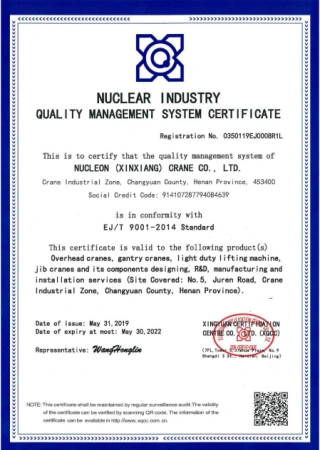
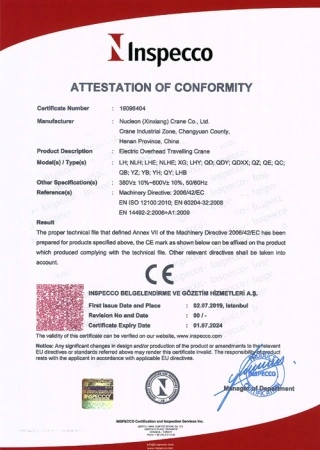
Authentication mark:


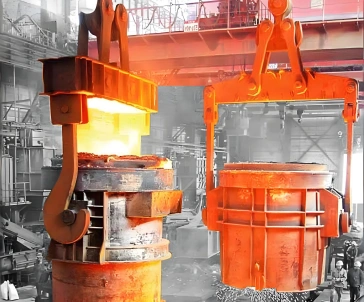
This crane is mainly used in steel mills, foundries, non-ferrous metal smelting plants, heat treatment workshops, and casting facilities.
Capacity:
1 t – 10 t customizable
Lifting Height:
6 m – 18 m (customizable based on building clearance)
Span:
7.5 m – 22.5 m customizable
Voltage/Hertz:
3 Phase 380V 50hz
Working Class:
A6, A7 (Heavy duty for metallurgical applications)
Get A Free Quote

WhatsApp
Introduction
Application Scenario
Advantages
Structural Diagram And Parameter Table
INTRODUCTION
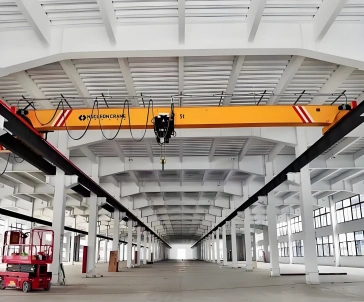
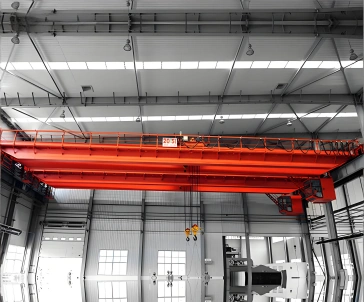
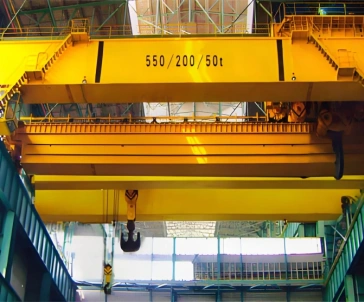
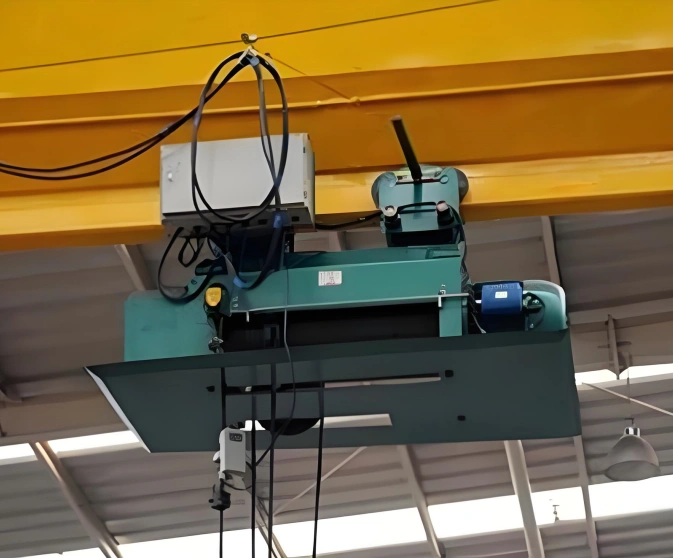
The LDY Type Metallurgical Single Girder Crane is a light-to-medium duty overhead bridge crane specifically designed for molten metal and high-temperature metallurgical applications. Operating on a single girder with a specialized metallurgical electric hoist (such as Model YH), it is engineered with thermal insulation, dual braking systems, and heat-resistant components to handle liquid metal safely within smaller-scale foundries.
APPLICATION SCENARIO
[1] Foundries – Molten Metal Transfer – Lifting and transferring ladles filled with molten iron, steel, aluminum, or copper from melting furnaces to pouring stations. Heat shields protect the hoist from radiant heat. Dual brakes ensure safe holding if power fails.
[2] Steel Mills – Ingot and Casting Handling – Moving hot steel ingots from molds to soaking pits or rolling lines. Reinforced girder handles thermal expansion cycles without distortion. High-temperature cables prevent electrical failures.
[3] Heat Treatment Workshops – Lifting hot components from heat treatment furnaces to quenching tanks or cooling beds. Manual emergency lower function allows controlled descent if power fails mid-cycle.
[4] Non-Ferrous Smelting Plants – Handling molten aluminum, copper, zinc, or lead ladles. The hoist's thermal insulation class H motors (180°C rating) operate reliably in high ambient temperatures near melting furnaces.
[5] Casting Facilities – Mold Handling – Lifting and positioning heavy casting molds, risers, and pouring cups. Shock-absorbing design reduces impact damage to molds during placement. Precise speed control minimizes metal splashing during pouring.
[2] Steel Mills – Ingot and Casting Handling – Moving hot steel ingots from molds to soaking pits or rolling lines. Reinforced girder handles thermal expansion cycles without distortion. High-temperature cables prevent electrical failures.
[3] Heat Treatment Workshops – Lifting hot components from heat treatment furnaces to quenching tanks or cooling beds. Manual emergency lower function allows controlled descent if power fails mid-cycle.
[4] Non-Ferrous Smelting Plants – Handling molten aluminum, copper, zinc, or lead ladles. The hoist's thermal insulation class H motors (180°C rating) operate reliably in high ambient temperatures near melting furnaces.
[5] Casting Facilities – Mold Handling – Lifting and positioning heavy casting molds, risers, and pouring cups. Shock-absorbing design reduces impact damage to molds during placement. Precise speed control minimizes metal splashing during pouring.
ADVANTAGES
[1] Heat-Resistant Design – Metallurgical-grade hoist with heat shields and high-temperature components operates safely up to +80°C ambient.
[2] Dual Brake System – Primary and secondary brakes provide critical redundancy for molten metal safety.
[3] Manual Emergency Lower – Allows controlled load descent during power failure, preventing metal solidification.
[4] Reinforced Single Girder – Thicker steel and additional stiffeners withstand thermal stress and shock loads.
[5] High Insulation Class – Class H motors rated for 180°C, far exceeding standard crane motors.
[6] Lower Cost than Double Girder – 30%-40% less expensive than double girder metallurgical cranes while meeting safety standards.
[2] Dual Brake System – Primary and secondary brakes provide critical redundancy for molten metal safety.
[3] Manual Emergency Lower – Allows controlled load descent during power failure, preventing metal solidification.
[4] Reinforced Single Girder – Thicker steel and additional stiffeners withstand thermal stress and shock loads.
[5] High Insulation Class – Class H motors rated for 180°C, far exceeding standard crane motors.
[6] Lower Cost than Double Girder – 30%-40% less expensive than double girder metallurgical cranes while meeting safety standards.
STRUCTURAL DIAGRAM AND PARAMETER TABLE
| Parameter | Specification |
|---|---|
| Working Class | A6, A7 (Heavy duty for metallurgical applications) |
| Capacity | 1 t – 10 t |
| Span | 7.5 m – 22.5 m |
| Lifting Height | 6 m – 18 m |
| Lifting Speed | 2 – 8 m/min (slower speed prevents metal splashing) |
| Trolley Travelling Speed | 20 – 35 m/min |
| Crane Travelling Speed | 20 – 45 m/min |
| Control Method | Heat-shielded cabin / Heat-resistant remote radio / Pendant with high-temp cable |
| Power Supply | 380V / 50Hz / 3-phase |
| Temperature (Operation) | -10°C to +80°C |
| Safety Features | Manual emergency lowering, thermal overload protection, high-temp limit switches |
| Girder Type | Single girder – reinforced box-section with metallurgical-grade hoist |


 Free Technical Consultation



