


OVERHEAD CRANE
-
Single Girder Overhead Crane
- LXB Type Explosion-proof Electric Single Girder Suspension Crane
- LX Electric Single-girder Suspension Crane
- LDZ Electric Single Girder Crane
- LDY Metallurgical Single Girder Crane
- LDP Type Electric Single Girder Overhead Crane
- LD Electric Single-girder Crane
- LB Type Explosion-proof Electric Single Girder Crane
- Flexible Suspension Single-girder Bridge Crane
- Single-Girder Bridge Grab Crane
- Single Girder Hoist Overhead Crane
- SL Manual Single-girder Bridge Crane
-
Double Girder Overhead Crane
- QZ Grab Crane
- QD Double Girder Overhead Crane
- QC Electromagnetic Crane
- QB Type Explosion-proof Hook Bridge Crane
- LHB Type Explosion-proof Hoist Double Girder Crane
- Double-girder Bridge Casting Crane
- Four Girder Casting Crane
- Magnet Double Girder Overehad Crane
- Explosion-proof Double-girder Bridge Crane
- Double Girder Overhead Crane
- European Standard Crane
HOT PRODUCTS
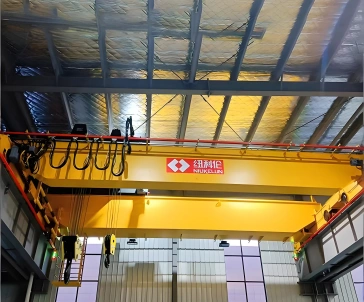
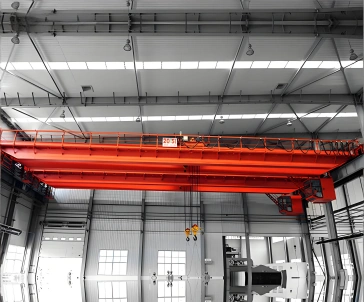
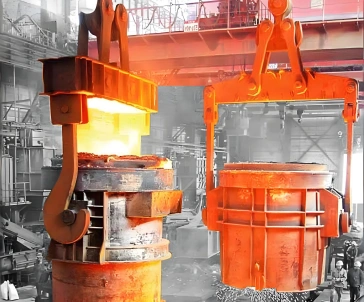
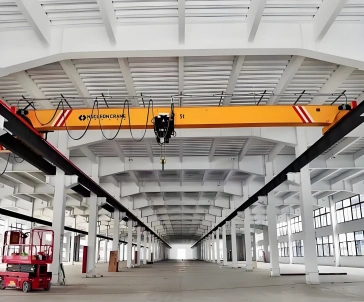
Single-Girder bridge grab crane
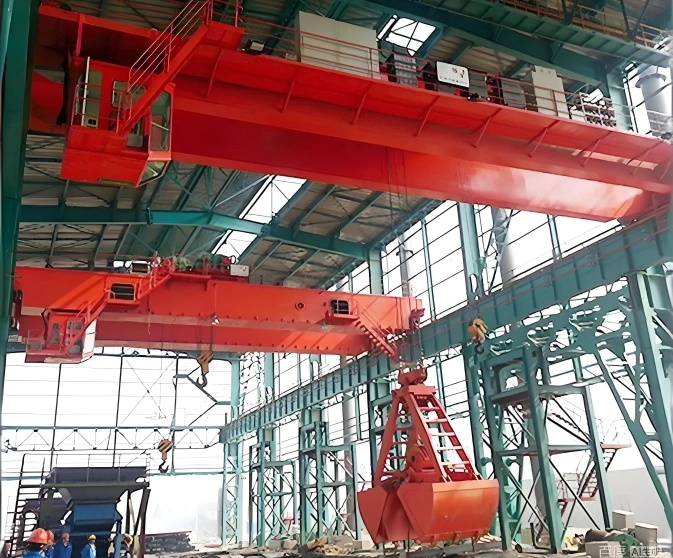


Introduction
Application Scenario
Advantages
Structural Diagram And Parameter Table
INTRODUCTION
{"desc":"What is this?\r\n
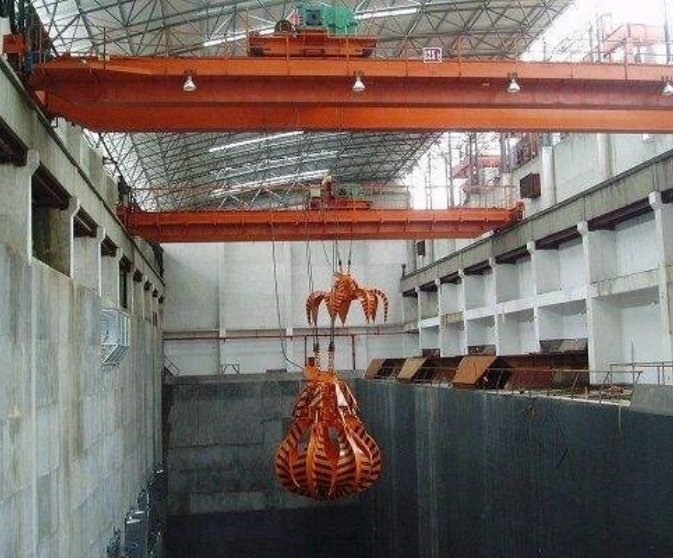
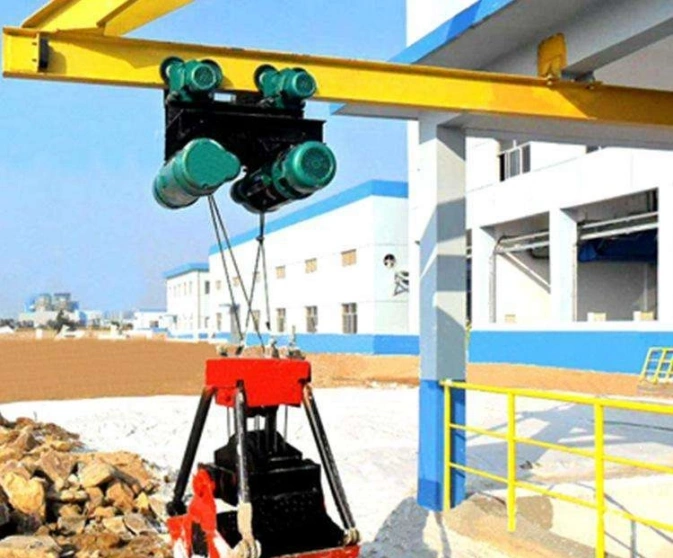
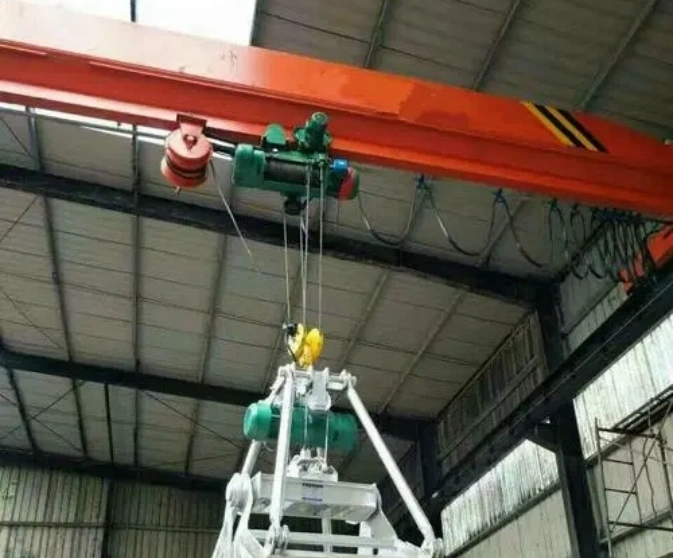
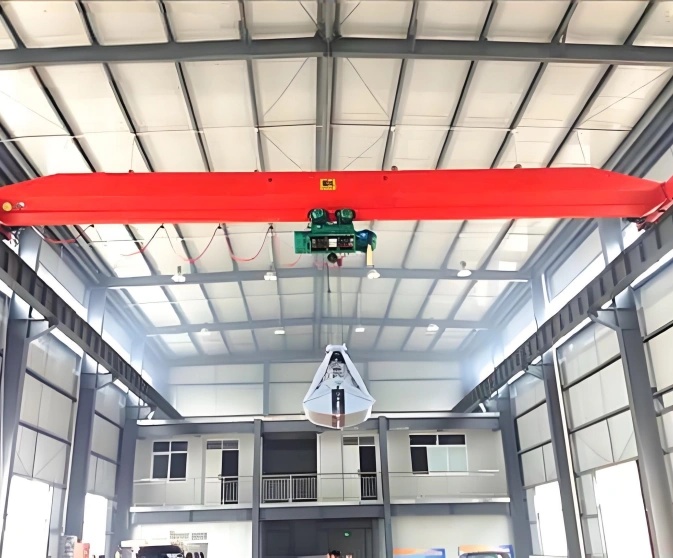
\r\nThe single-girder bridge grab crane is a specialized lifting device that combines a single-girder bridge crane with a grab bucket. It uses an electric hoist or trolley to drive the grab bucket along the main beam, achieving grabbing, transferring, and loading\/unloading of bulk materials such as coal, sand, gravel, grain, fertilizer, and scrap steel. If you are handling bulk materials with a limited budget and constrained workshop space, this product is designed for you.\r\n
\r\nWhy choose a single-girder grab crane over a double-girder grab crane?\r\n
\r\nCompared to traditional double-girder grab cranes, the single-girder solution offers three core advantages:\r\n
\r\nFirst, lower investment – simplified structure, lighter self-weight, reducing cost by 30%-40%, especially suitable for small and medium-sized enterprises with limited budgets.\r\n
\r\nSecond, faster installation – lower workshop load requirements, installation time reduced by about 50%, with commissioning completed within 5-10 days.\r\n
\r\nThird, easier maintenance – fewer components, fewer failure points, grab bucket blades can be replaced individually, resulting in low daily maintenance costs.\r\n
\r\nSolve your bulk material handling problems with less investment.\r\n
\r\nWhat can we do for you?\r\n
\r\nWe understand that every customer has different materials and different working conditions. Therefore, we offer flexible customization options: grab bucket types of electric grab or four-rope grab; control options of pendant, remote radio, or cabin; speed options of single speed, dual speed, or VVVF. Whether your material is wet and sticky or dry and loose, we can match the most suitable grab bucket capacity and structural design.\r\n
\r\nUnsure? Don't know?\r\n
\r\nNot sure which grab bucket configuration suits your material? Don't know what grab bucket capacity can handle your workload per shift? No problem. Just tell us: your material type, single grab capacity requirement, and your workshop span. Our engineers will provide you with an accurate quote and CAD drawings within 24 hours. Click the button below or contact us via WhatsApp\/email to get your customized solution.\r\n
\r\n💡 Tip: We offer free selection consulting. Even if you are unsure about specific parameters, feel free to describe your materials and needs, and we will calculate for you.","images":[{"url":"portal\/20260507\/d699c81780dc0a20cce73767b3919023.jpg","name":""}]}
APPLICATION SCENARIO
The grab bucket scoops coal from open or enclosed coal piles. The crane travels along the rails and precisely drops the coal into the receiving hopper of the conveyor belt. The anti-spill design of the grab bucket reduces coal leakage and fuel loss. The single girder structure suits the limited installation space of coal yards and can handle continuous, frequent operation cycles.
2. Inland/Port Bulk Cargo Terminals
The grab bucket picks up ore, sand, gravel, or coal from ship holds and transfers them to the shore-side stockyard, or works in reverse to load materials from the stockyard onto ships. High grab speeds reduce vessel port time. Flexible operation adapts to different vessel types and hatch sizes, enabling all-weather operation and improving terminal turnover efficiency.
3. Raw Material Yards of Building Materials/Cement Plants
One crane covers multiple raw material stockpiles. The grab bucket picks up different materials such as limestone, clay, and clinker and drops them into corresponding hoppers. One machine serves multiple purposes, supplying various materials to the batching line. It adapts to high-dust environments and enables quantitative grabbing to assist batching accuracy.
4. Grain Reserve Depots/Grain Processing Plants
The grab bucket transfers corn, wheat, soybeans, and other grains from trucks into storage silos. For outbound operations, the grab bucket moves grain to discharge ports or onto trucks. Gentle grabbing reduces grain breakage. Food-grade contact components are available. Suitable for loading and unloading various types of grain. 5. Raw Material Areas of Fertilizer/Chemical Plants
The grab bucket picks up fertilizers, industrial salt, soda ash, and other materials and transfers them to dissolving tanks or feed hoppers. Anti-corrosion coating is available to handle corrosive materials. The sealed design reduces dust emission and minimizes human contact with hazardous chemicals.
6. Recycling Centers/Waste Treatment Plants
The grab bucket picks up scrap steel, industrial waste, construction debris, and other irregular materials and transfers them to crushers or balers. Heavy-duty grab design with wear-resistant blades extends service life. The rugged structure handles high-density materials and withstands impact conditions.
7. Raw Material Areas of Glass/Ceramic Plants
The grab bucket picks up fine powders such as quartz sand and feldspar powder and drops them into batching weighing systems. Precise quantitative grabbing meets batching accuracy requirements. The well-sealed grab bucket reduces fine powder spillage. Dust covers are available to reduce dust contamination.
ADVANTAGES
2.Mining & Metallurgy – Handling ore, mineral powder, coke, scrap steel, and slag in mines and steel mills.
3.Building Materials & Cement – Moving limestone, sand, aggregates, and cement clinker in cement plants and building material factories.
4.Ports & Freight Terminals – Loading/unloading bulk cargo such as coal, grain, and ore at ports, docks, and railway freight yards.
5.Grain & Food Industry – Grain handling, silo turnover, and raw material stacking in grain depots, flour mills, and food processing plants.
Environmental & Chemical Industry – Waste sorting and corrosive material handling in waste transfer stations, landfills, and chemical plants.
STRUCTURAL DIAGRAM AND PARAMETER TABLE
| Parameter | Specification |
|---|---|
| Working Class | A5, A6, A7 (Medium to heavy duty for bulk material handling) |
| Capacity | 1 t – 10 t (grab capacity depends on material density) |
| Span | 7.5 m – 22.5 m customizable |
| Lifting Height | 6 m – 20 m |
| Lifting Speed | 8 – 20 m/min (VVVF stepless speed control optional) |
| Trolley Travelling Speed | 20 – 40 m/min (motorized grab operation) |
| Crane Travelling Speed | 20 – 50 m/min |
| Control Method | endant control / Remote radio control / Cabin control |
| Power Supply | 380V / 50Hz / 3-phase |
| Temperature | -10°C to +45°C |
| Protection Grade | Motor: IP44 – IP54, Insulation class F Grab motor: dust-proof design |
| Girder Type | Single-girder with grab-specific reinforcement (single beam + grab mechanism) |


 Free Technical Consultation



