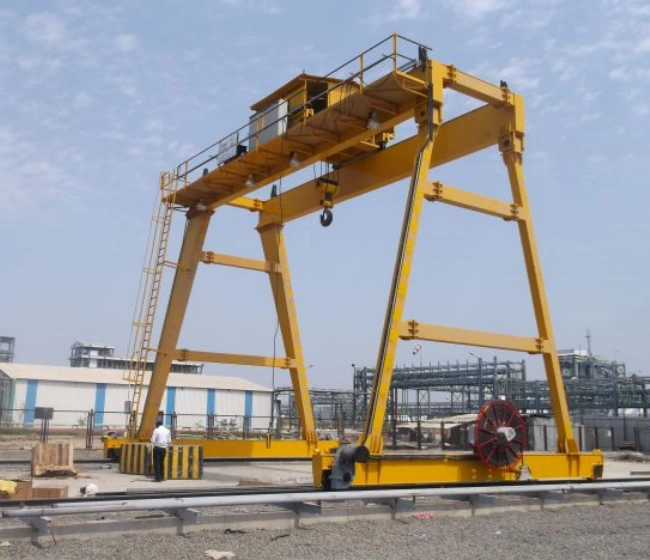
How to Select the Right Outdoor Gantry Crane for Your Site?
Selecting a gantry crane for outdoor use is very different from choosing one for indoor applications. Outdoor environments bring challenges like weather exposure, uneven ground, wind loads, and corrosion risks. Making the right choice improves safety, extends equipment life, and reduces long-term costs. Below are the key factors you must evaluate.
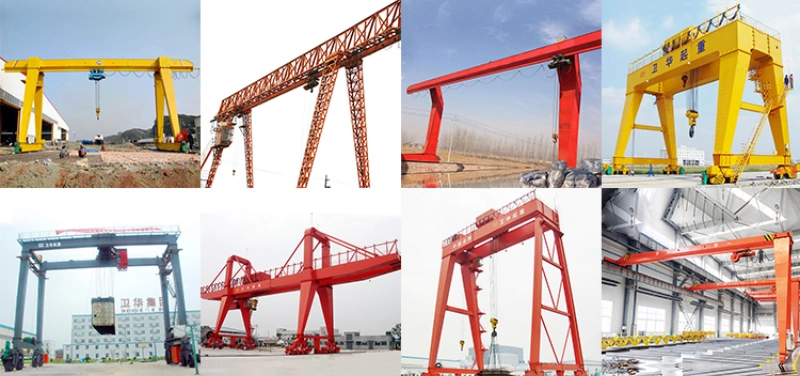
How to Select the Right Outdoor Gantry Crane for Your Site?
1. Load Capacity and Span
First, determine the maximum weight you will lift regularly, plus a safety margin. Outdoor gantry cranes typically range from 1 ton to 50 tons or more. Also measure the span needed — the distance between the crane legs. Wider spans allow passing vehicles or stacking materials underneath. However, larger spans require stronger beams and increase costs. Always choose a capacity slightly above your current needs to allow for future growth.
2. Wheel Type and Mobility
Outdoor surfaces are rarely perfectly flat. Asphalt, gravel, concrete, or compacted earth all require different wheel types.
Steel wheels work well on rails but can damage soft surfaces.
Polyurethane or rubber wheels reduce ground damage and provide better traction.
Airless tires are ideal for rough or uneven terrain.
If you need to move the crane between work zones, consider a motorized drive system instead of manual pushing. For fixed installations, rail-mounted wheels offer better stability.
3. Weather Protection and Corrosion Resistance
Outdoor cranes face rain, snow, UV radiation, and temperature swings. Look for:
Galvanized or stainless steel components on critical parts like bolts, pins, and electrical enclosures.
Weatherproof paint (epoxy or polyurethane) to resist chalking and rust.
IP-rated electrical systems (e.g., IP65 or higher) if the crane has hoist motors or remote controls.
Canopies or covers for parked cranes, especially in coastal or high-humidity areas.
4. Wind Load Considerations
Wind is a major risk for outdoor gantry cranes, especially when lifting large or light loads. Check local wind speed data. Most outdoor cranes should be designed for wind speeds up to 28 m/s (approx. 100 km/h) in working condition, and up to 45 m/s in non-working condition. Features like outriggers, rail clamps, or sandbags can prevent tipping. Some cranes also offer wind speed sensors that trigger alarms or automatic shutdown.
5. Power Source
Outdoor cranes can be powered in several ways:
Diesel engine: Best for sites without electrical access, but higher noise and emissions.
Electric with cable reel: Clean and quiet, but requires weatherproof outlets and cable management.
Battery electric: Good for intermittent use, but check cold-weather battery performance.
Manual chain hoist: Affordable for very light duty, but impractical for frequent or heavy lifts.
6. Portability vs. Permanence
Ask yourself: will the crane stay in one place or move between locations?
Fixed outdoor gantry cranes have stronger foundations and higher stability, ideal for loading bays or storage yards.
Portable or adjustable gantry cranes often feature foldable legs, detachable beams, or caster wheels. They are easier to store indoors when not in use, extending their lifespan.
7. Safety Features for Outdoor Use
Beyond standard limit switches and emergency stops, outdoor cranes should include:
Anti-rust wire ropes (zinc or polymer coated)
Overturning protection (outriggers or wide base)
Brakes on all wheels if manually moved on slopes
Highly visible warning lights and reflectors for low-light conditions
8. Local Regulations and Certifications
Different countries have strict rules for outdoor lifting equipment. In the EU, look for CE marking. In North America, compliance with ASME B30.17 or OSHA standards is necessary. Many outdoor sites also require annual third-party inspections. Ask the supplier for relevant test certificates.
Final Recommendation
Before buying an outdoor gantry crane:
List your typical load, lifting height, span, and ground type.
Check local wind and weather patterns.
Decide between fixed, portable, or adjustable design.
Compare at least three suppliers and request drawings or case studies of similar outdoor installations.
A well-chosen outdoor gantry crane will serve for 10–20 years with basic maintenance. Rushing the selection often leads to corrosion, stability issues, or costly modifications. Take time to match the crane to your real outdoor working environment.