Can I Use an Overhead Crane Outdoors? A Professional Guide to Selection and Safety
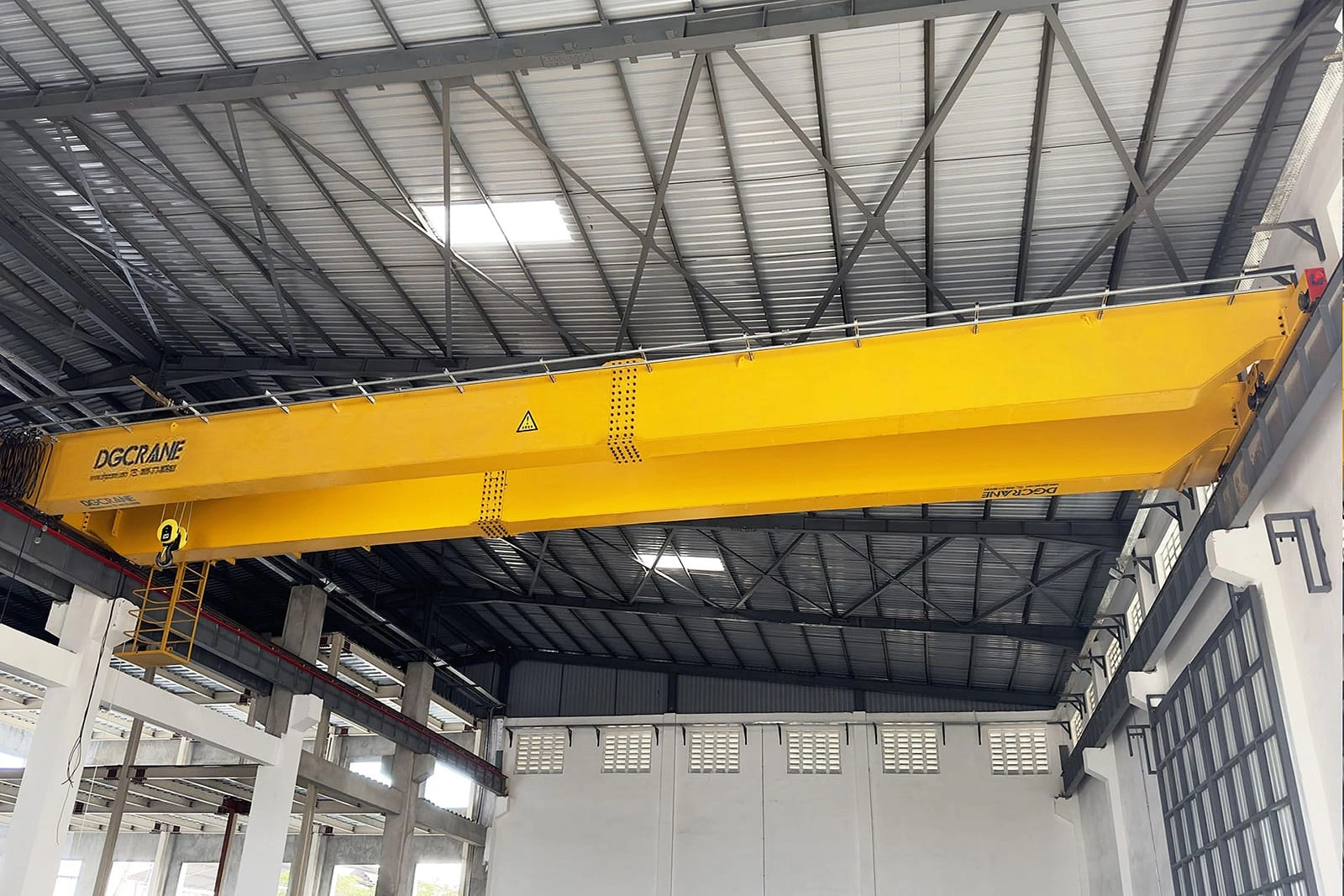
In the field of industrial material handling, overhead cranes are often perceived as equipment exclusive to indoor factories. However, with the expansion of ports, open-air storage yards, and large precast concrete plants, more and more businesses are asking the same question: Can I use an overhead crane outdoors?
The short answer is: Yes, absolutely, but only if it is strictly customized and retrofitted for outdoor environments.
Simply moving a standard indoor crane into an open-air environment will not only accelerate equipment aging but also pose severe safety hazards. This article breaks down the environmental challenges and the essential protective configurations required for outdoor overhead cranes.
Three "Fatal Threats" of Outdoor Environments to Cranes
Exposing a crane to the elements introduces three major challenges:
Moisture & Corrosion: Rain, snow, dew, and coastal salt spray can rapidly corrode untreated steel structures, leading to rust and potential electrical short circuits.
Wind Loads: Strong outdoor winds exert additional lateral pressure on the crane structure, compromising its stability. In extreme wind conditions, unanchored cranes risk drifting or even tipping over.
Temperature Extremes & UV Radiation: Prolonged sun exposure can overheat electrical components, degrade and crack cable jackets, and cause lubricants to thin out in high temperatures or solidify in extreme cold.
Essential "Bulletproof" Configurations for Outdoor Overhead Cranes
To ensure safe and efficient operation outdoors, your crane must be upgraded with the following specifications:
1. "All-Weather Armor" for Electrical Systems
High IP Rating: Motors and electrical control panels for outdoor cranes must have a protection rating of at least IP55 or IP66 to seal out rain and dust.
Stainless Steel Enclosures & Heaters: Control cabinets are typically made of stainless steel and equipped with anti-condensation heaters to prevent moisture buildup caused by temperature fluctuations.
2. Professional Anti-Corrosion Treatment for Steel Structures
High-Standard Surface Treatment: The steel structure must undergo sandblasting (achieving Sa2.5 standard) and be coated with zinc-rich primers, epoxy intermediate coats, and UV-resistant polyurethane topcoats to ensure years of fade- and rust-free performance.
3. Safety Reinforcements for Core Mechanical Components
Wind-Resistant Devices: Outdoor rail-mounted cranes must be equipped with rail clamps, anchoring devices, or wheel chocks to prevent the crane from being blown away by sudden gusts.
Rain Covers: Metal protective roofs or rain covers must be installed over the hoisting mechanism (hoist/winch) and travel motors to deflect direct rainfall.
Conclusion and Selection Advice
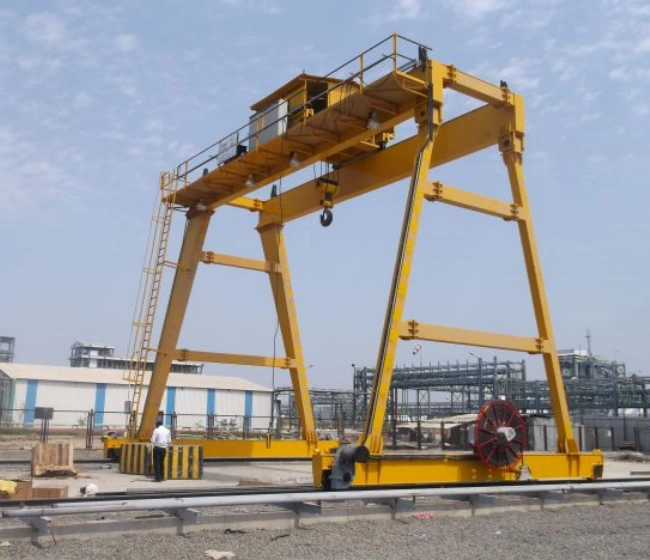
While overhead cranes can be customized for outdoor use, gantry cranes are often a more economical and popular choice for open-air yards. This is because gantry cranes feature self-supporting legs, eliminating the need to build expensive, heavy-duty outdoor runway structures.
If your site layout mandates an outdoor overhead crane, always partner with an experienced crane manufacturer and provide them with your specific local meteorological data (such as maximum wind speed, annual rainfall, and temperature extremes).
none
What is an EOT Crane? Complete Guide