


rubbertyred container gantry crane
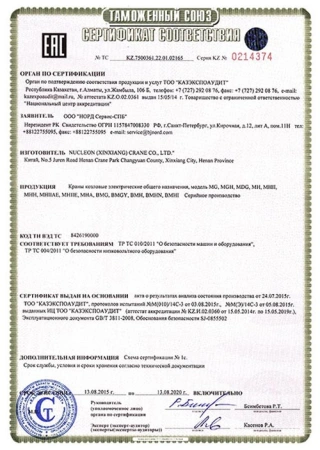
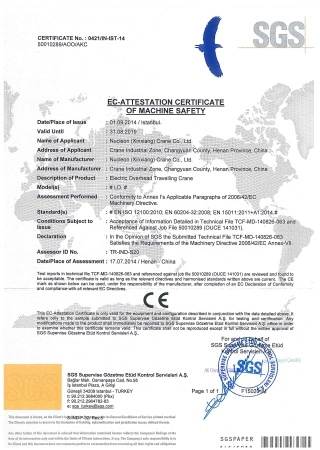
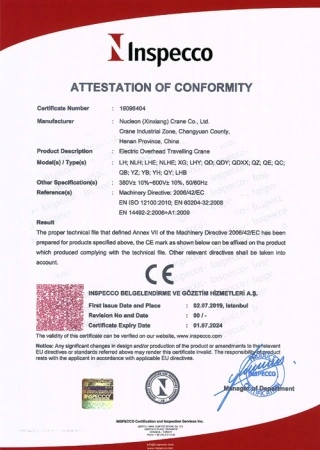
Authentication mark:


This crane is mainly used in container ports, intermodal rail terminals, and inland container depots.
Capacity:
30 t – 65 t customizable
Lifting Height:
12 m – 18 m (stacking height: 4 – 5 containers high)
Span:
20 m – 30 m
Voltage/Hertz:
380v 50hz three-phase
Working Class:
A7, A8
Get A Free Quote

WhatsApp
Introduction
Application Scenario
Advantages
Structural Diagram And Parameter Table
INTRODUCTION
What is this?
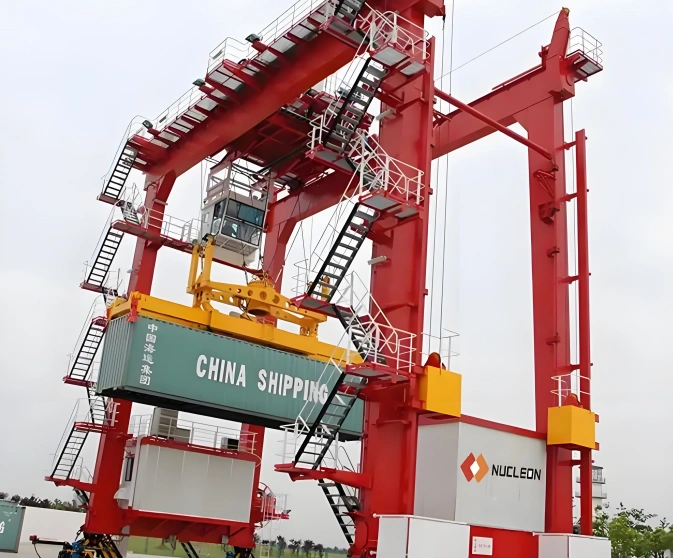
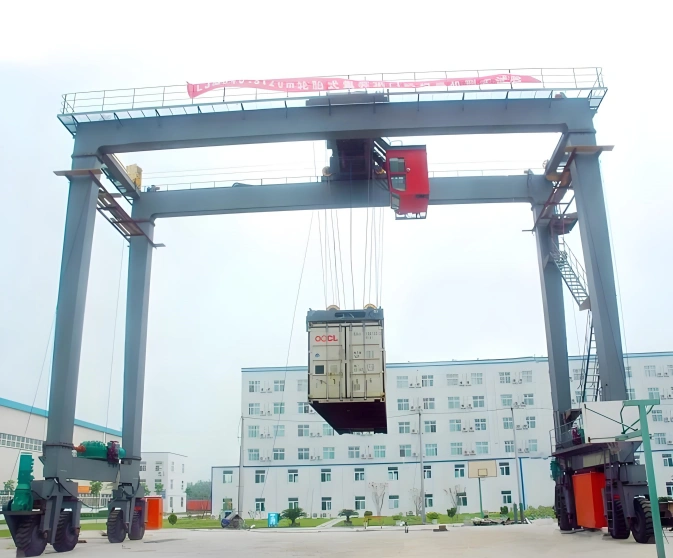
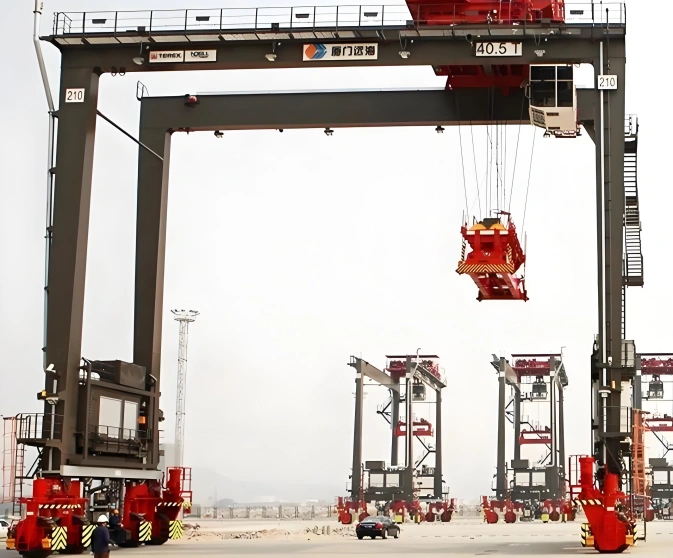
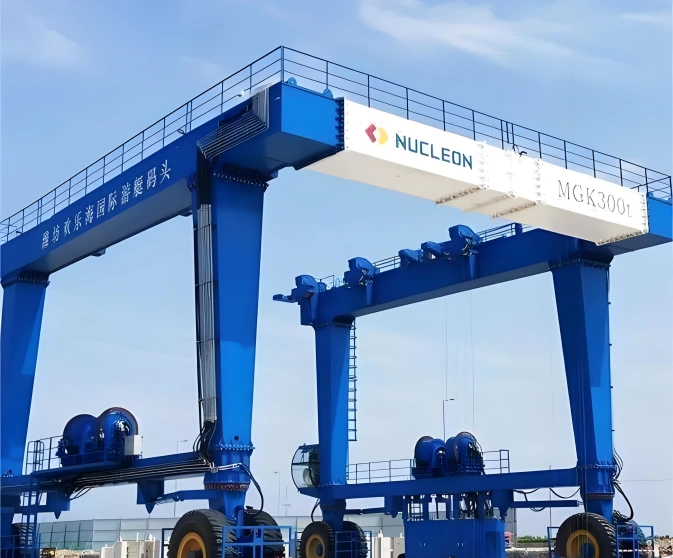
The rubber-tyred container gantry crane is a large crane with rubber-tired travel, specifically designed for container yard handling operations. Through the lifting and moving of a container-specific spreader, combined with free travel and steering within the yard, it achieves stacking, loading/unloading, and handling of 20-foot, 40-foot, and 45-foot containers. If you are managing a seaport terminal back-up yard, railway container yard, or large inland depot, and need a container-specific crane with high mobility, the ability to move across container blocks, and no need for rail installation, this product is designed for you.
Why choose a rubber-tyred container gantry crane over a rail-mounted container gantry crane?
Compared to rail-mounted container gantry cranes, the rubber-tyred solution offers four core advantages:
First, stronger mobility – rubber-tired travel allows the crane to move across container blocks at any time without the need for rail installation, offering more flexible yard layout.
Second, lower initial investment – no need for rail installation or complex foundation construction, significantly reducing civil construction costs.
Third, wider operating range – the crane can move freely throughout the entire yard, with a single crane covering multiple container blocks and operating lines.
Fourth, easier relocation – when yard layout adjustments or relocation are needed, the rubber-tyred crane can simply drive away without the need to dismantle rails.
Adapt to changing yard operational needs with a more flexible rubber-tyred solution.
What can we do for you?
We understand that every yard has different container volumes, different stacking heights, and different site conditions. Therefore, we offer flexible customization options: lifting capacity from 30 tons to 65 tons; span from 23 meters to 30 meters (covering 6 container rows plus one truck lane); stacking height options of 4 layers, 5 layers, or 6 layers; lifting height customized according to stacking height; control options of cabin, remote radio, or semi-automated; power options of diesel generator set or low-profile conductor bar + diesel hybrid. Whether your yard is a seaport back-up yard, railway terminal, or inland depot, we can match the most suitable span and stacking capacity.
Unsure? Don't know?
Not sure whether a rubber-tyred or rail-mounted solution is more suitable for your yard? Not sure what span and stacking height are needed to meet your capacity requirements? No problem. Just tell us: your yard area and layout, your design stacking height, your annual container throughput, and whether you need to operate across multiple container blocks. Our engineers will provide you with an accurate quote and CAD drawings within 24 hours. Click the button below or contact us via WhatsApp/email to get your customized solution.
💡 Tip: We offer free selection consulting. Even if you are unsure about specific parameters, feel free to describe your yard size and operational needs, and we will calculate for you.
The rubber-tyred container gantry crane is a large crane with rubber-tired travel, specifically designed for container yard handling operations. Through the lifting and moving of a container-specific spreader, combined with free travel and steering within the yard, it achieves stacking, loading/unloading, and handling of 20-foot, 40-foot, and 45-foot containers. If you are managing a seaport terminal back-up yard, railway container yard, or large inland depot, and need a container-specific crane with high mobility, the ability to move across container blocks, and no need for rail installation, this product is designed for you.
Why choose a rubber-tyred container gantry crane over a rail-mounted container gantry crane?
Compared to rail-mounted container gantry cranes, the rubber-tyred solution offers four core advantages:
First, stronger mobility – rubber-tired travel allows the crane to move across container blocks at any time without the need for rail installation, offering more flexible yard layout.
Second, lower initial investment – no need for rail installation or complex foundation construction, significantly reducing civil construction costs.
Third, wider operating range – the crane can move freely throughout the entire yard, with a single crane covering multiple container blocks and operating lines.
Fourth, easier relocation – when yard layout adjustments or relocation are needed, the rubber-tyred crane can simply drive away without the need to dismantle rails.
Adapt to changing yard operational needs with a more flexible rubber-tyred solution.
What can we do for you?
We understand that every yard has different container volumes, different stacking heights, and different site conditions. Therefore, we offer flexible customization options: lifting capacity from 30 tons to 65 tons; span from 23 meters to 30 meters (covering 6 container rows plus one truck lane); stacking height options of 4 layers, 5 layers, or 6 layers; lifting height customized according to stacking height; control options of cabin, remote radio, or semi-automated; power options of diesel generator set or low-profile conductor bar + diesel hybrid. Whether your yard is a seaport back-up yard, railway terminal, or inland depot, we can match the most suitable span and stacking capacity.
Unsure? Don't know?
Not sure whether a rubber-tyred or rail-mounted solution is more suitable for your yard? Not sure what span and stacking height are needed to meet your capacity requirements? No problem. Just tell us: your yard area and layout, your design stacking height, your annual container throughput, and whether you need to operate across multiple container blocks. Our engineers will provide you with an accurate quote and CAD drawings within 24 hours. Click the button below or contact us via WhatsApp/email to get your customized solution.
💡 Tip: We offer free selection consulting. Even if you are unsure about specific parameters, feel free to describe your yard size and operational needs, and we will calculate for you.
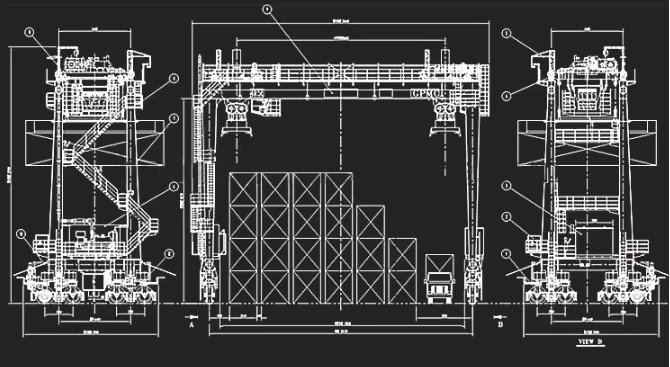
APPLICATION SCENARIO
[1] Container Terminal Stacking Yards – Stacking and retrieving laden or empty containers between ship operations.
[2] Intermodal Rail Yards – Transferring containers between railcars and truck chassis.
[3] Inland Container Depots – High‑density stacking for storage and customs inspection.
[4] Port Gate Areas – Shuttling containers for entry/exit processing.
[5] Reefer Container Areas – Handling refrigerated containers with power plug access.
[2] Intermodal Rail Yards – Transferring containers between railcars and truck chassis.
[3] Inland Container Depots – High‑density stacking for storage and customs inspection.
[4] Port Gate Areas – Shuttling containers for entry/exit processing.
[5] Reefer Container Areas – Handling refrigerated containers with power plug access.
ADVANTAGES
[1] High Stacking Density – Stacks up to 5 high, maximizing yard capacity.
[2] Flexible Mobility – Rubber tires allow free movement and yard reconfiguration.
[3] Fast Operation – High hoist and trolley speeds for quick cycle times.
[4] Anti-Sway and Positioning – Advanced spreader and laser‑assisted trolley for precision.
[5] Low Emissions (E‑RTG) – Electric versions reduce fuel use and noise.
[2] Flexible Mobility – Rubber tires allow free movement and yard reconfiguration.
[3] Fast Operation – High hoist and trolley speeds for quick cycle times.
[4] Anti-Sway and Positioning – Advanced spreader and laser‑assisted trolley for precision.
[5] Low Emissions (E‑RTG) – Electric versions reduce fuel use and noise.
STRUCTURAL DIAGRAM AND PARAMETER TABLE
| Parameter | Specification |
|---|---|
| Working Class | A7, A8 (Heavy to very heavy duty for continuous port/yard operation) |
| Lifting Capacity | 30 t – 65 t (single lift) 50 t – 100 t (tandem lift, twin 20ft containers) |
| Span | 20 m – 30 m |
| Lifting Height | 12 m – 18 m |
| Lifting Speed | Fully loaded: 15 – 25 m/min Empty: 30 – 50 m/min |
| Trolley Travelling Speed | 70 – 120 m/min (cross-travel for container positioning) |
| Crane Travelling Speed | 40 – 130 m/min (along yard, depending on distance) |
| Control Method | Cabin control (ergonomic design) / Remote radio control / Semi-automatic (optional) |
| Power Supply | Diesel engine – 200kW – 400kW Diesel-electric hybrid (optional) Pure electric with cable reel (optional) |
| Temperature | -20°C to +45°C (outdoor yard environment) |
| Protection Grade | Motors: IP54 – IP55, Insulation class F or H Electrical cabinet: IP54 – IP65 (dust/water protected for outdoor use) |
| Girder Type | Double Girder – Box section with full-penetration welding (single or twin box girder) |






 Free Technical Consultation



