


Multifunctional container straddle carrier
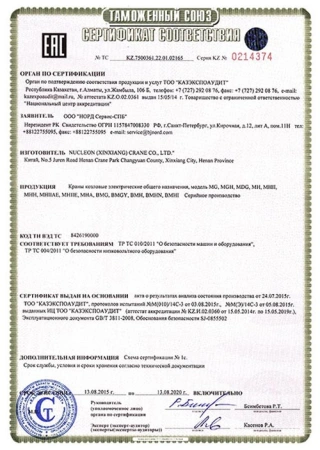
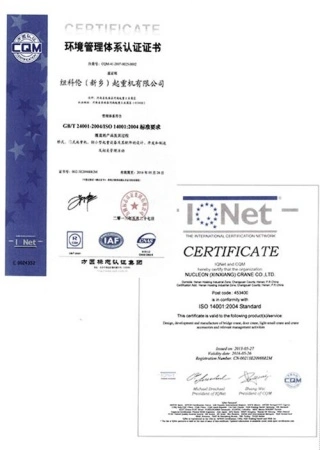
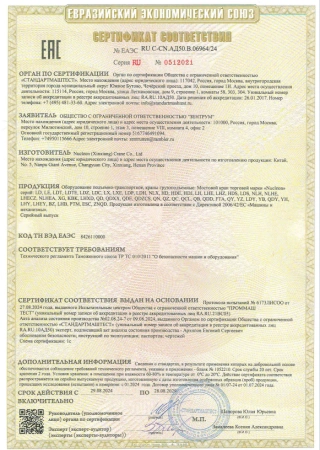
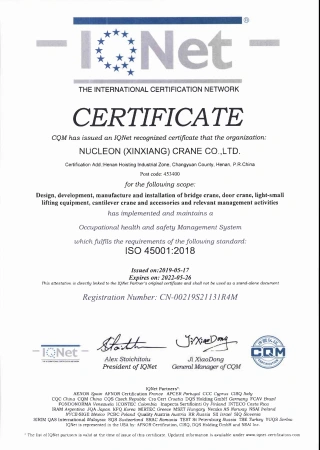
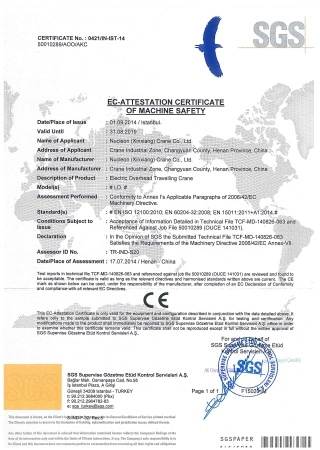
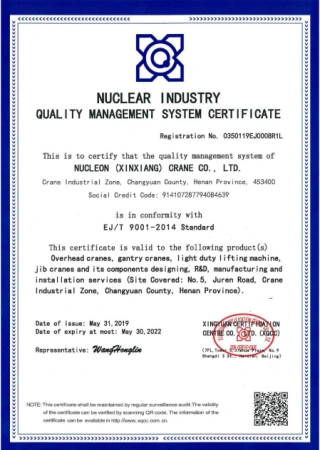
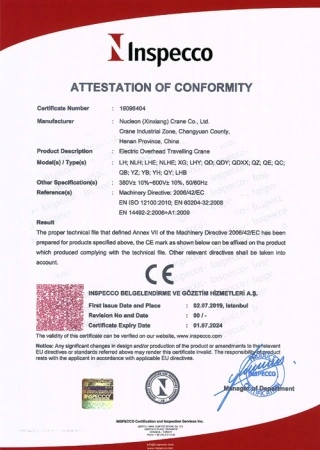
Authentication mark:


This machine is mainly used in container ports, intermodal rail terminals, and logistics distribution centers.
Capacity:
30 t – 65 t customizable
Lifting Height:
18 m, 21 m, 24 m, Customized
Span:
3.5 m – 7.0 m (clearance between legs for container passage)
Voltage/Hertz:
3 Phase 380V 50hz
Working Class:
A6, A7, A8
Get A Free Quote

WhatsApp
Introduction
Application Scenario
Advantages
Structural Diagram And Parameter Table
INTRODUCTION
What is this?
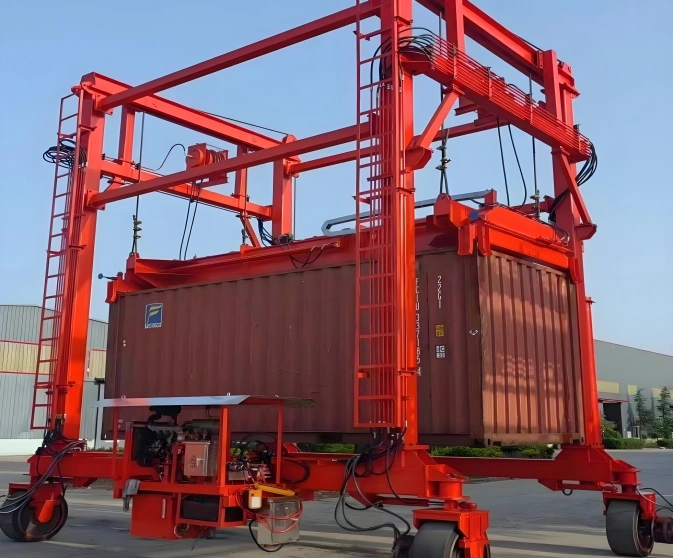
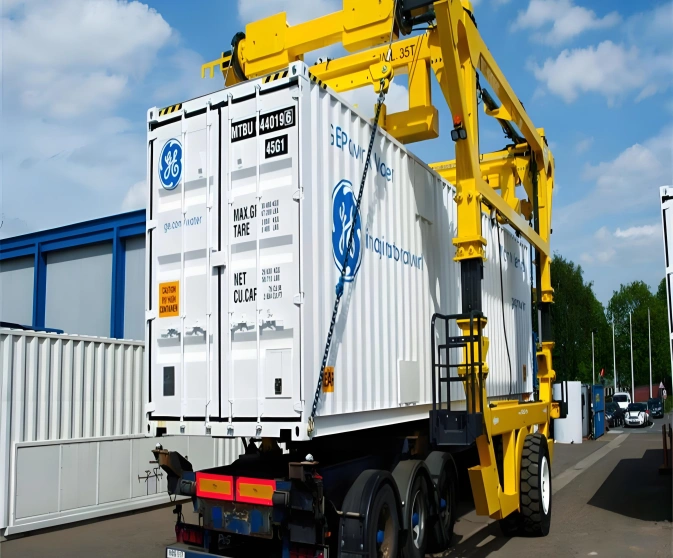
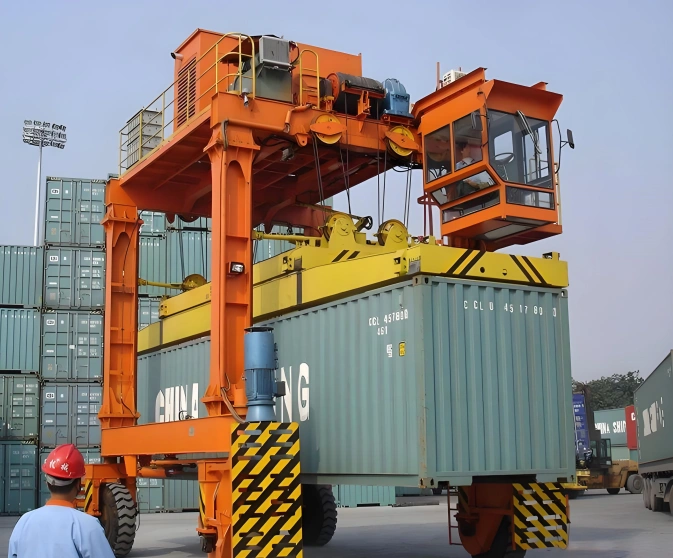
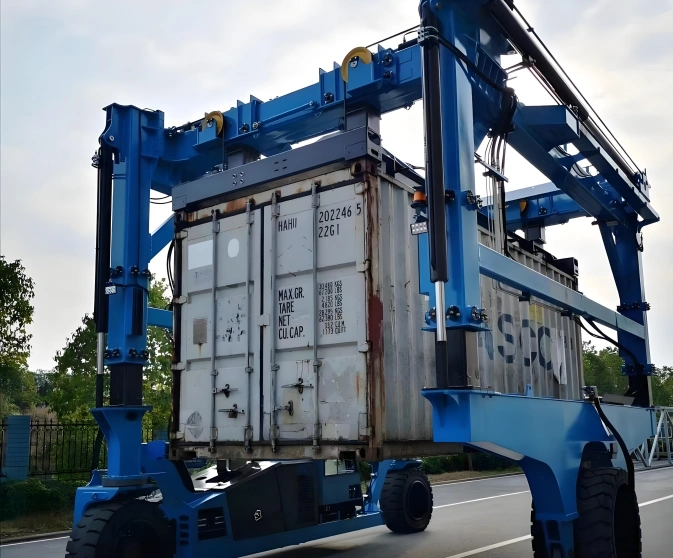
The multifunctional container straddle carrier is a container-specific mobile machine that integrates handling, stacking, and loading/unloading functions. Through the carrier's travel and spreader lifting/lowering, it achieves straddle carrying, stacking, loading/unloading, and short-distance transfer of 20-foot and 40-foot containers. If you are managing a seaport terminal, railway yard, intermodal hub, or container transfer station, and need a machine with strong mobility, high operational efficiency, and the ability to handle both stacking and horizontal transport, this product is designed for you.
Why choose a container straddle carrier over a rubber-tyred gantry crane?
Compared to rubber-tyred gantry cranes, the container straddle carrier offers four core advantages:
First, stronger mobility – the straddle carrier can travel freely without the need for rails, allowing fast transfer between the yard, dock front, and loading/unloading areas.
Second, no auxiliary equipment required – self-powered, capable of independently completing the entire process of container loading/unloading, handling, and stacking without the need for other equipment.
Third, integrated stacking and transport – a single machine combines the functions of a yard crane and a horizontal transport vehicle, reducing the number of equipment types and operational steps.
Fourth, high operational efficiency – from picking up a container from a ship/truck to placing it in the yard, the single-cycle operation time is short, especially suitable for short-distance transfer scenarios.
Simplify container operation processes with a more integrated approach.
What can we do for you?
We understand that every yard has different container volumes, different stacking heights, and different operating distances. Therefore, we offer flexible customization options: lifting capacity from 30 tons to 50 tons; stacking height options of 1 layer, 2 layers, or 3 layers; spreader options of fixed 20-foot or telescopic 20-40 foot; power options of diesel or lithium battery (electric); control options of cab operation or remote control combined with cab. Whether your operation scenario is the dock front, yard, or railway terminal, we can match the most suitable stacking capacity and operating mode.
Unsure? Don't know?
Not sure whether a straddle carrier is suitable for your yard or if other equipment is needed? Not sure what stacking capacity and turning radius are needed to fit your site? No problem. Just tell us: your yard layout and aisle width, your design stacking height, your operating distance (from unloading point to storage point), and your annual container throughput. Our engineers will provide you with an accurate quote and operation plan drawings within 24 hours. Click the button below or contact us via WhatsApp/email to get your customized solution.
💡 Tip: We offer free selection consulting. Even if you are unsure about specific parameters, feel free to describe your yard conditions and operation process, and we will calculate for you.
The multifunctional container straddle carrier is a container-specific mobile machine that integrates handling, stacking, and loading/unloading functions. Through the carrier's travel and spreader lifting/lowering, it achieves straddle carrying, stacking, loading/unloading, and short-distance transfer of 20-foot and 40-foot containers. If you are managing a seaport terminal, railway yard, intermodal hub, or container transfer station, and need a machine with strong mobility, high operational efficiency, and the ability to handle both stacking and horizontal transport, this product is designed for you.
Why choose a container straddle carrier over a rubber-tyred gantry crane?
Compared to rubber-tyred gantry cranes, the container straddle carrier offers four core advantages:
First, stronger mobility – the straddle carrier can travel freely without the need for rails, allowing fast transfer between the yard, dock front, and loading/unloading areas.
Second, no auxiliary equipment required – self-powered, capable of independently completing the entire process of container loading/unloading, handling, and stacking without the need for other equipment.
Third, integrated stacking and transport – a single machine combines the functions of a yard crane and a horizontal transport vehicle, reducing the number of equipment types and operational steps.
Fourth, high operational efficiency – from picking up a container from a ship/truck to placing it in the yard, the single-cycle operation time is short, especially suitable for short-distance transfer scenarios.
Simplify container operation processes with a more integrated approach.
What can we do for you?
We understand that every yard has different container volumes, different stacking heights, and different operating distances. Therefore, we offer flexible customization options: lifting capacity from 30 tons to 50 tons; stacking height options of 1 layer, 2 layers, or 3 layers; spreader options of fixed 20-foot or telescopic 20-40 foot; power options of diesel or lithium battery (electric); control options of cab operation or remote control combined with cab. Whether your operation scenario is the dock front, yard, or railway terminal, we can match the most suitable stacking capacity and operating mode.
Unsure? Don't know?
Not sure whether a straddle carrier is suitable for your yard or if other equipment is needed? Not sure what stacking capacity and turning radius are needed to fit your site? No problem. Just tell us: your yard layout and aisle width, your design stacking height, your operating distance (from unloading point to storage point), and your annual container throughput. Our engineers will provide you with an accurate quote and operation plan drawings within 24 hours. Click the button below or contact us via WhatsApp/email to get your customized solution.
💡 Tip: We offer free selection consulting. Even if you are unsure about specific parameters, feel free to describe your yard conditions and operation process, and we will calculate for you.
APPLICATION SCENARIO
[1] Container Terminals – Moving and stacking containers between quay cranes, yard, and truck lanes.
[2] Intermodal Rail Yards – Transferring containers, swap bodies, and heavy machinery between trains and trucks.
[3] Port Backup Areas – Handling containers, project cargo, and steel coils with quick attachment change.
[4] Logistics Distribution Centers – Cross‑loading pallets, oversized goods, and flat racks without fixed crane infrastructure.
[5] Military and Heavy Lift Sites – Adapting to containers, vehicles, and equipment using spreader or hook.
[2] Intermodal Rail Yards – Transferring containers, swap bodies, and heavy machinery between trains and trucks.
[3] Port Backup Areas – Handling containers, project cargo, and steel coils with quick attachment change.
[4] Logistics Distribution Centers – Cross‑loading pallets, oversized goods, and flat racks without fixed crane infrastructure.
[5] Military and Heavy Lift Sites – Adapting to containers, vehicles, and equipment using spreader or hook.
ADVANTAGES
[1] Multi‑Cargo Versatility – Quick‑change spreader, hook, or grapple handles containers, break‑bulk, and bulk materials.
[2] High Mobility – Rubber tires allow free movement without rails, operating in tight spaces.
[3] Space‑Efficient Stacking – Stacks containers up to 4 high, maximizing yard density.
[4] One‑Machine Solution – Combines lifting, transporting, and stacking, reducing equipment fleet.
[5] Low Maintenance – Diesel‑electric or hybrid drive with easy access components.
[2] High Mobility – Rubber tires allow free movement without rails, operating in tight spaces.
[3] Space‑Efficient Stacking – Stacks containers up to 4 high, maximizing yard density.
[4] One‑Machine Solution – Combines lifting, transporting, and stacking, reducing equipment fleet.
[5] Low Maintenance – Diesel‑electric or hybrid drive with easy access components.
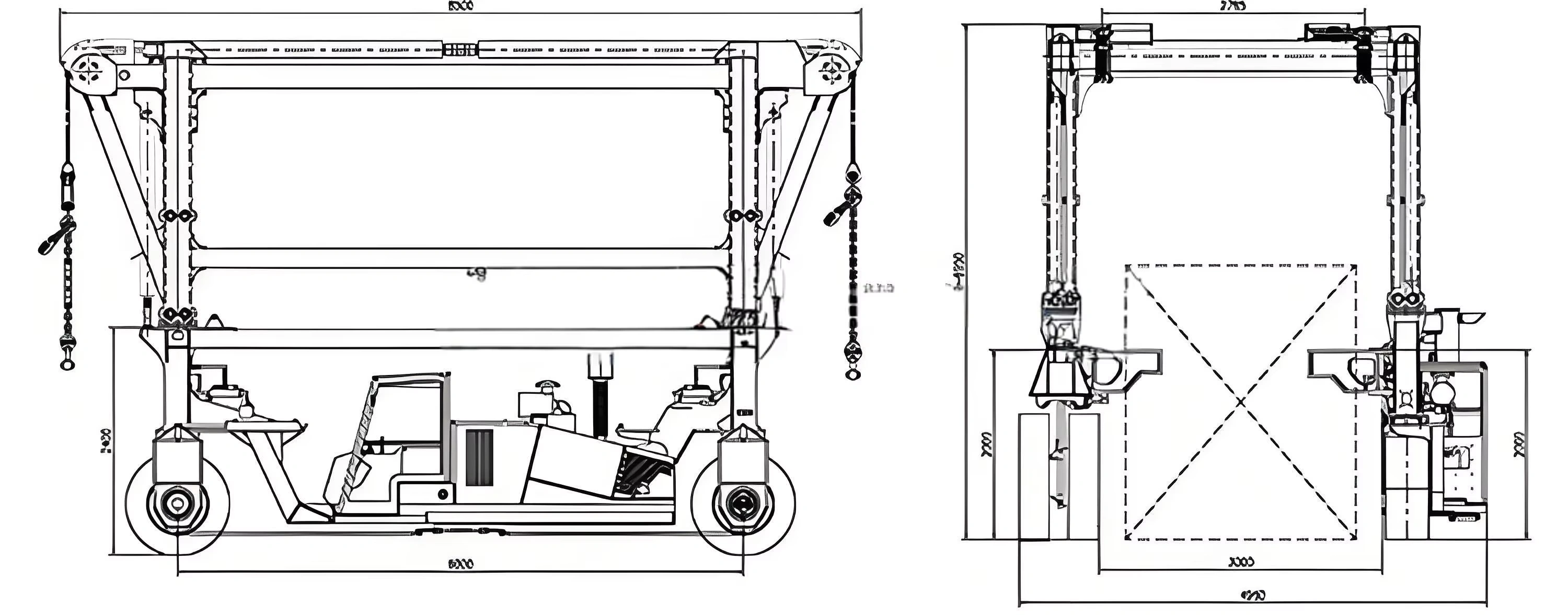
STRUCTURAL DIAGRAM AND PARAMETER TABLE
| Parameter | Specification |
|---|---|
| Working Class | A6, A7, A8 (Heavy to very heavy duty for continuous port operation) |
| Lifting Capacity | 30 t – 65 t (single container) 40 t – 100 t (twin-lift configuration for 2x20ft) |
| Span | 3.5 m – 7.0 m (clearance between legs for container passage) |
| Lifting Height | 8 m – 12 m |
| Lifting Speed | Fully loaded: 8 – 20 m/min Empty: 15 – 35 m/min |
| Travel Speed | 18 – 25 km/h (yard operation) |
| Travel Speed | 25 – 35 km/h |
| Gradeability | 10% – 20% |
| Turning Radius | 6 m – 12 m |
| Control Method | Cabin control |
| Power Supply | Diesel engine – 150kW – 350kW Diesel-electric hybrid (optional) Lithium-ion battery electric (optional) |
| Temperature | -20°C to +45°C |
| Protection Grade | Motors: IP54 – IP55, Insulation class F or H Electrical cabinet: IP54 – IP65 (dust/water protected for outdoor use) |
| Structure Type | U-frame straddle carrier – Four-leg design with lifting spreader and hydraulic steering |


 Free Technical Consultation



