Gantry Crane vs. Overhead Crane: How to Choose Based on Your Working Conditions?
Overhead cranes and gantry cranes are two of the most common choices for heavy lifting. However, the wrong selection can lead to up to 30% waste in installation costs and long-term operational inefficiency. This article breaks down their structure, applications, and cost components to help you make the most economical decision.
1. What Are They?
Before deciding, you need to understand the physical differences between these two "heavy lifters."
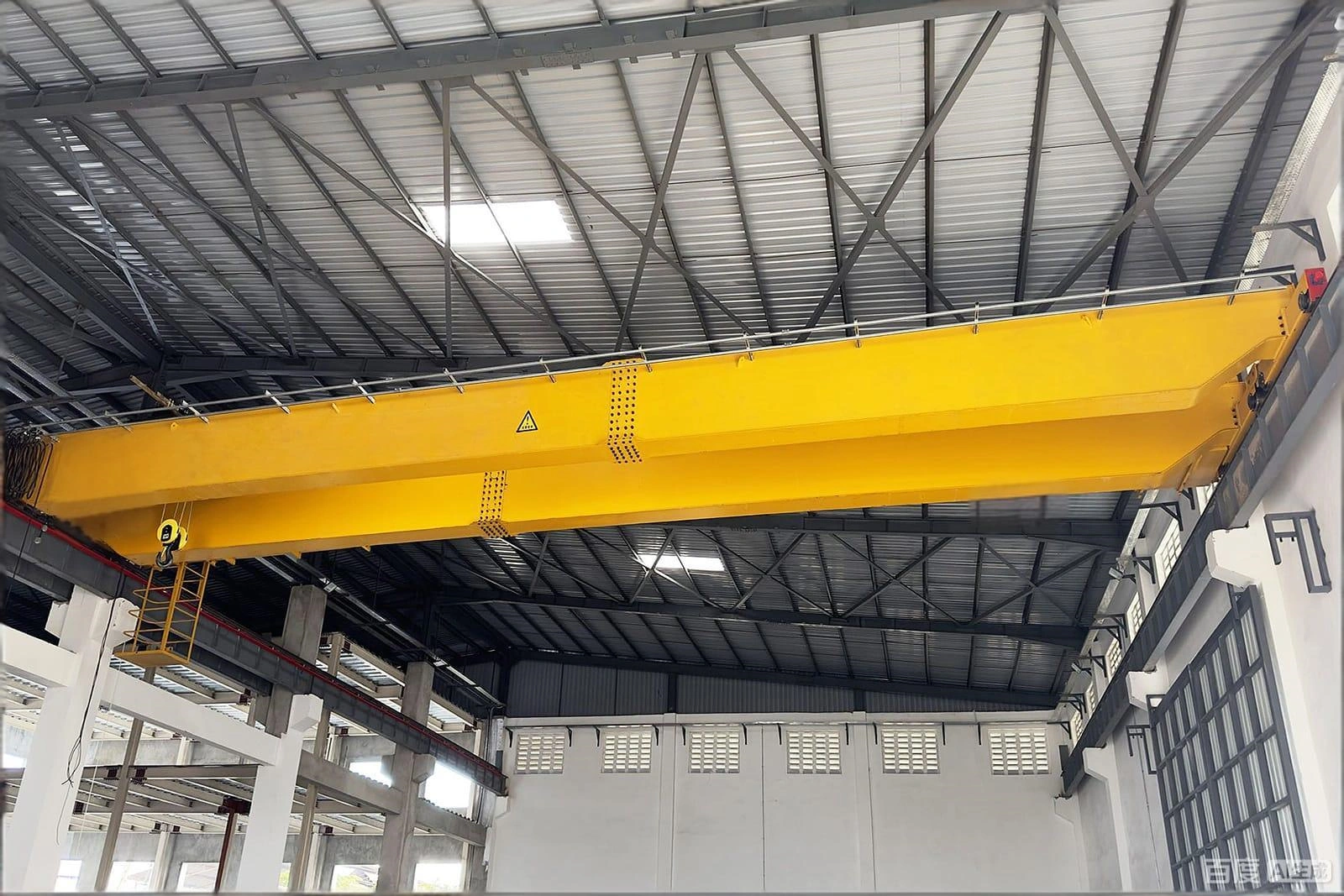
What is an Overhead Crane?
Also known as an EOT (Electric Overhead Traveling) crane, it relies on the building structure for support. It runs on rails fixed to the factory columns, like a suspended "sky bridge."
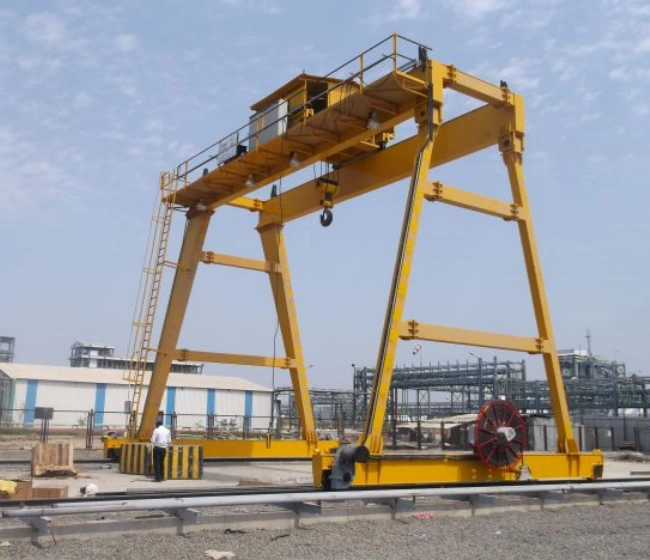
What is a Gantry Crane?
A gantry crane is a self-supporting system. It has its own legs, standing on the ground like a "door" and moves on ground rails or rubber tires. It does not rely on any building — it is a standalone lifting unit.
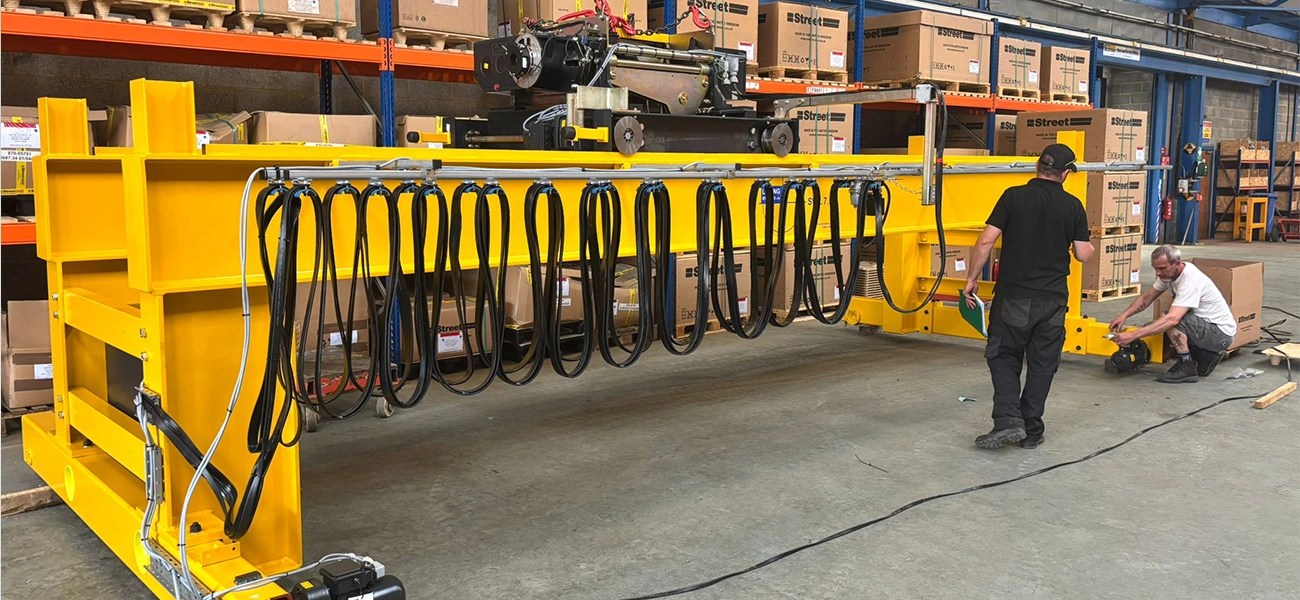
Insert a comparison image: left side shows an overhead crane running on top of factory rails; right side shows a gantry crane with legs moving on ground rails. Use red arrows to highlight support differences.
2. When to Choose a Gantry Crane Over an Overhead Crane?
Here are 5 key dimensions to help you decide.
2.1 Location: Indoor vs. Outdoor
This is the most obvious rule.
If your operation is outdoors, a gantry crane is the only choice.
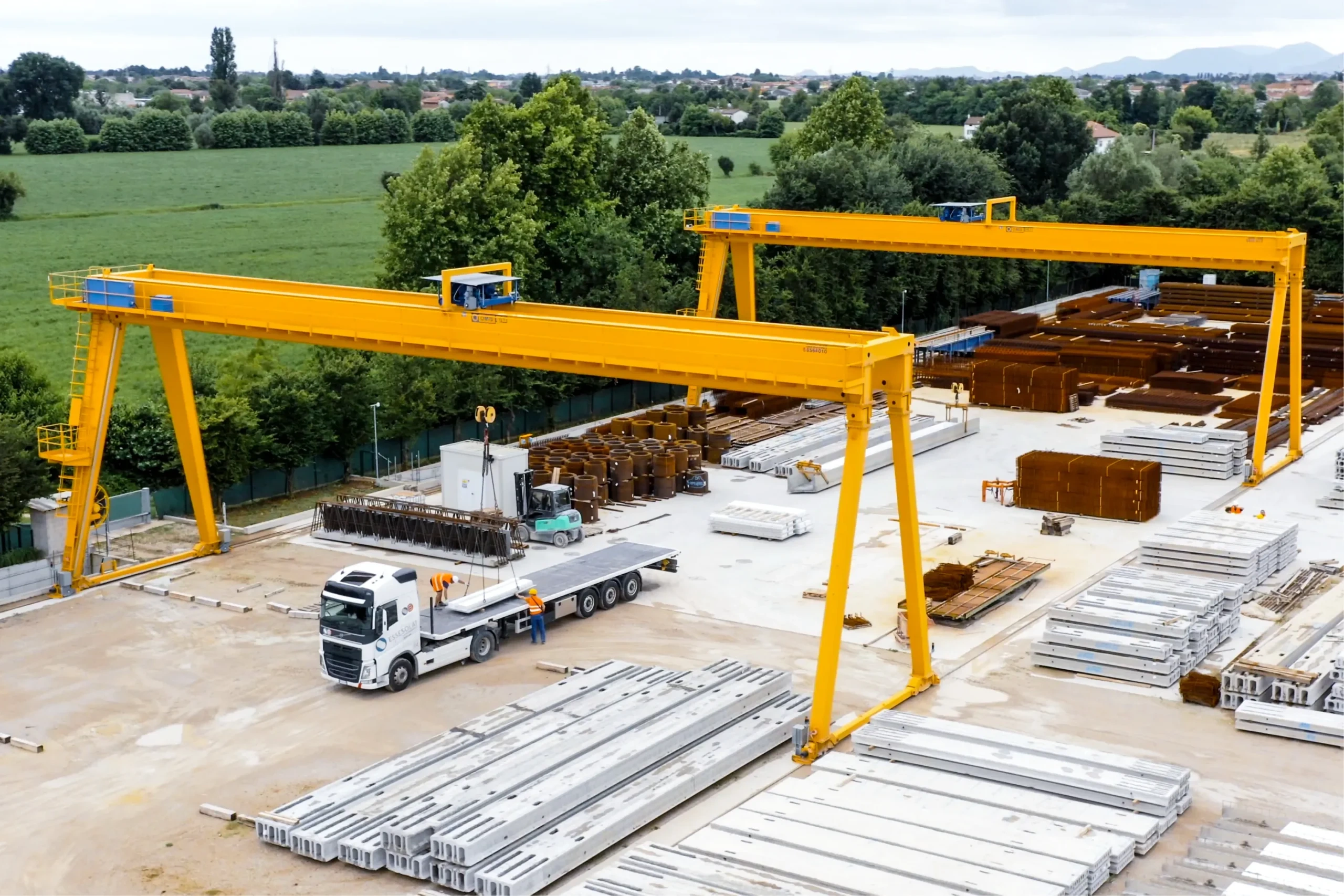
An overhead crane completely depends on the building structure and cannot be used outdoors. A gantry crane is naturally designed for outdoor use, handling wind, rain, and sun — ideal for yards, docks, and precast plants.
2.2 Infrastructure: Existing Building vs. Open Area
If your factory is already built and has no crane beams or brackets, retrofitting an overhead crane will be very expensive.
In this case, a gantry crane is a more flexible option. It only needs a flat, hardened ground surface — no modifications to the building structure.
2.3 Mobility: Fixed Station vs. Multiple Work Areas
An overhead crane has wide coverage, but it is fixed. Once installed, it cannot move.
A gantry crane (especially rubber-tired) is mobile. If you need to unload trucks in Area A and maintain equipment in Area B, one mobile gantry crane can serve multiple stations — "one machine, multiple uses."
2.4 Load & Span: Extreme Heavy Duty vs. General Lifting
Generally, large overhead cranes perform better in ultra-heavy indoor applications (e.g., above 200 tons).
But gantry cranes are also very capable in heavy loads, especially in shipbuilding and ports. For example, giant gantry cranes (Goliath cranes) used in shipyards can lift hundreds of tons.
Tip: In container terminals, the main workhorses for yard stacking are RTGs (Rubber-Tired Gantry) and RMGs (Rail-Mounted Gantry).
2.5 Cost Structure
Do not only look at the purchase price.
Overhead Crane: Equipment price may be moderate, but installation cost is high (building reinforcement, overhead conductor bars). Relocation is very expensive.
Gantry Crane: Low installation cost (only ground foundation required). It also has resale / relocation value. For companies renting facilities or working on project sites, a gantry crane is a more depreciable asset.
Insert a decision flowchart:
*Q1: Does your building support a crane? → No → Recommend Gantry Crane
Q2: Outdoor operation? → Yes → Recommend Gantry Crane
Q3: Need to move between workstations? → Yes → Recommend Gantry Crane
Q4: Limited budget and no building modification? → Yes → Recommend Gantry Crane *
3. Quick Comparison Table
| Feature | Overhead Crane (EOT) | Gantry Crane |
|---|---|---|
| Support Structure | Relies on factory columns/roof | Independent legs, self-supporting |
| Mobility | Fixed | Movable (rails or tires) |
| Worksite | Indoor | Indoor & Outdoor |
| Space Usage | No floor space occupied | Legs take up floor aisle space |
| Ground Requirement | Requires overhead load‑bearing beams | Hardened ground or ground rails |
| Typical Use | Workshop assembly, warehouse stocking | Yard loading/unloading, ports, precast plants |
4. Special Types & Hybrid Options
You may also encounter these "in-between" solutions:
Semi-Gantry Crane: One side runs on an overhead building rail, the other side on a ground rail. Good for irregular buildings or edge‑of‑building operations.
Rubber-Tired Gantry Crane (RTG): Most flexible — can steer like a vehicle. Commonly seen in container yards.
Portable / Adjustable Gantry Crane: Light‑duty applications, workshop maintenance, temporary lifting. Some can be pushed by hand.
5. Conclusion
Choose an overhead crane when:
You have a strong factory building, your lifting tasks are permanently fixed indoors, and you want to maximize floor space (no legs in the way).
Choose a gantry crane when:
You need outdoor operation, your building cannot support an overhead crane, or you need to use the same crane in multiple locations.
Expert Tip:
If you still can't decide, consider a hybrid solution. For example, use an overhead crane inside the factory for space efficiency, and equip the loading/unloading yard with a mobile gantry crane to create an efficient indoor‑outdoor logistics line.
FAQ
Q: Is a gantry crane always cheaper than an overhead crane?
Not necessarily. Large heavy‑duty gantry cranes have expensive leg structures. But when you include installation costs, gantry cranes often have a lower total project cost because they don't require expensive building modifications.
Q: Can an overhead crane be used outdoors?
Technically yes, but strongly not recommended. Standard overhead cranes lack wind anchoring and corrosion protection, and they need external rail beams — very risky outdoors.
Q: I want to add 10 tons of lifting capacity in my existing workshop, but the roof is low and cannot take any load. What should I do?
In this case, a mobile gantry crane is highly recommended. With a low‑headroom electric hoist, it can handle heavy loads in tight spaces without damaging your floor or structure.
Ready to improve your material handling efficiency?
Contact us today for a professional selection and quotation! Our engineers can provide a free site survey and customize the best lifting solution for your working conditions.